by Kheeran Offshore Technical Team Kheeran Offshore Technical Team

Proof Load Testing vs Ultimate Pull Testing

Proof Load Testing vs Ultimate Pull Testing focuses on one defined technical question. A proof test confirms performance at a specified load without intentional failure, whereas an ultimate test continues to the maximum load or defined failure.

Pull testing should begin with an agreed load, hold time, reaction arrangement and acceptance rule. The report must distinguish a proof test from a test to failure and identify the exact anchor or location tested.

Pull testing confirms that anchors, fixings, padeyes and lifting points can safely carry the loads they are designed for. Rather than trusting a specification on paper, pull testing applies a controlled proof load and measures the result. Kheeran Offshore provides on-site pull testing across Guyana using calibrated equipment and fully traceable reporting.
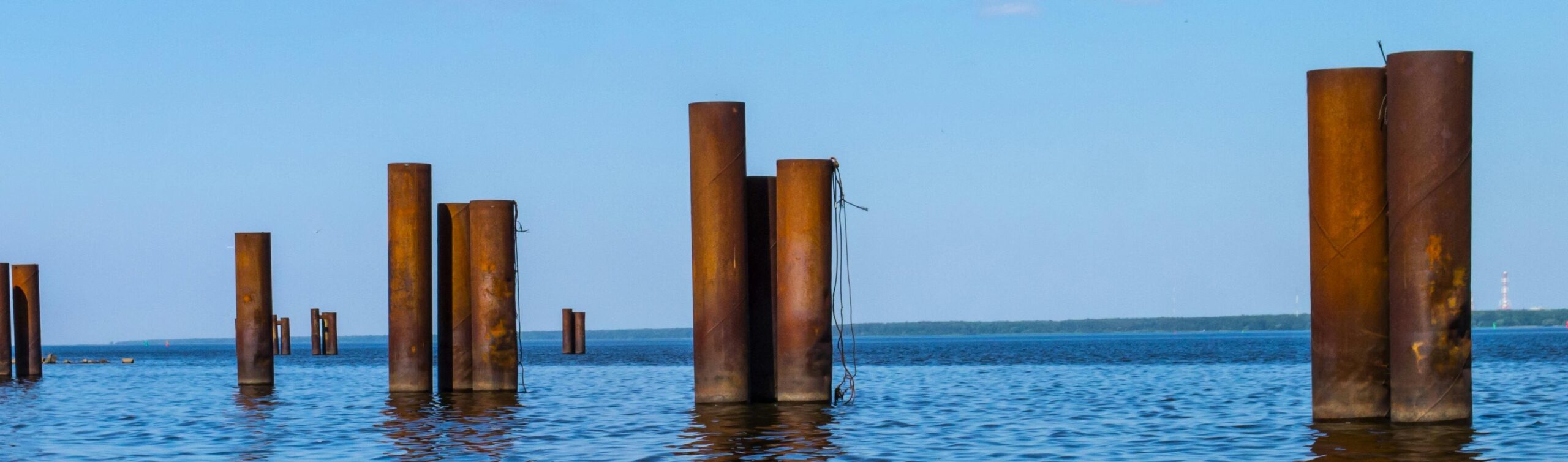
Pull testing equipment applying proof load to an anchor bolt during a Kheeran Offshore site test

What is pull testing?

Pull testing, also called proof load or tension testing, applies a known force to an installed anchor or fixing to verify it holds without failure or excessive movement. The test proves in-service capacity and reveals installation problems that visual inspection alone cannot detect, such as poor embedment or a weak substrate.

Where pull testing is required

In addition, pull testing is widely used wherever safety depends on a secure connection:

  • Anchor bolts and post-installed fixings in concrete or steel.
  • Lifting points, padeyes and rigging attachments.
  • Scaffold ties, handrails and safety barriers.
  • Fall-arrest and life-safety anchor points.
  • Facade, cladding and mechanical support fixings.

How we carry out pull testing

In practice, our technicians use calibrated hydraulic equipment and load cells to apply the specified proof load in a controlled way. We record applied load, displacement and pass or fail criteria against the project requirement. Pull testing complements our tension measurement and lifting equipment inspection services for complete load-integrity assurance.

Why proof load testing matters

Typically, a fixing that has never faced a load test is an unknown risk. Proof load testing gives documented evidence that a connection is fit for service, supporting compliance and protecting personnel. Guidance from bodies such as the Lifting Equipment Engineers Association (LEEA) underlines the importance of verifying lifting and anchoring points before use.

Traceable results you can trust

Notably, each pull test report shows equipment calibration, applied loads and results. Where a fixing fails, our engineering and material testing team can help investigate the cause and recommend corrective action.

Importantly, with calibrated equipment and experienced technicians based in Guyana, Kheeran Offshore delivers reliable pull testing on your site and on your schedule.

Proof load versus ultimate load testing

Overall, not every test is the same, and choosing the right one matters. A proof load test applies a load above the working load but below the design failure point, confirming the fixing performs without being destroyed, so it can remain in service. An ultimate (or sacrificial) test loads a sample fixing all the way to failure to establish its true capacity. We help you select the correct approach for your application and acceptance criteria.

  • Proof load testing — non-destructive verification of installed fixings.
  • Ultimate load testing — destructive test to establish maximum capacity.
  • Sample-rate testing — a representative percentage of fixings on a job.

What our pull test reports show

As a result, after testing, you receive a report that documents each fixing tested, the applied load, the measured displacement and a clear pass or fail against the specified criteria. We also record the calibration status of our equipment, so the results are fully traceable and audit-ready.

Moreover, these records give you documented proof that safety-critical connections are fit for service, which is exactly what auditors, clients and safety regulators expect to see.

Pull testing: frequently asked questions

How much load should a pull test apply?

In addition, the design and the relevant standard set the proof load, normally as a defined multiple of the working load. We confirm the correct target load with you before testing so the result is meaningful and defensible.

Does pull testing damage the fixing?

In practice, a proof load test verifies capacity without damaging the fixing, so it can stay in service. We take only ultimate load tests, carried out on sample fixings, through to failure.

How often should anchors be pull tested?

Typically, this depends on the application and any regulatory requirements, but we commonly test safety-critical and lifting anchors at installation and re-verify them periodically. We can help you plan a suitable schedule.

What equipment do you use for pull testing?

Notably, we use calibrated hydraulic rams and load cells matched to the required test load, and we keep current calibration certificates for each. Recording the equipment used and its calibration status keeps every pull test result fully traceable and audit-ready.

Request a quote today. Contact Kheeran Offshore Guyana on +592-602-5664 (call or WhatsApp), email admin@kheeran.gy, or get a free quote online. Our lab at 319 Eccles Industrial Estate, Georgetown operates 24/7.
by Kheeran Offshore Technical Team Kheeran Offshore Technical Team

Third-Party Inspection Services in Guyana: Independent QA/QC

Independent third-party inspection services protect project owners by verifying that materials, equipment and workmanship meet specification before they are accepted. As an impartial party with no stake in the outcome, Kheeran Offshore provides third-party inspection services in Guyana that clients, contractors and regulators can all rely on.

Third-party inspection services Guyana inspector reviewing fabrication against project specifications

What are third-party inspection services?

In addition, a third-party inspector is independent of both the buyer and the supplier. Their role is to confirm, on the owner’s behalf, that goods and work comply with the purchase order, project specification and applicable codes. This independence is what gives the inspection its value.

Our third-party inspection scope

In practice, we support clients throughout procurement, fabrication, construction and operation. Typical services include:

  • Vendor and supplier inspection at the point of manufacture.
  • QA/QC inspection during fabrication and construction.
  • Fabrication surveillance and hold-point witnessing.
  • Structural steel inspection and dimensional verification.
  • Equipment verification, expediting and compliance monitoring.

Benefits of third-party inspection

Typically, catching non-conformances early prevents defective items from ever reaching site. That saves money, protects schedules and reduces safety risk. Independent inspection also strengthens your position in disputes, warranty claims and audits, because our specialists document the findings impartially.

  • Reduced risk of rejects, rework and delays
  • Notably, verified compliance with codes and specifications
  • Above all, objective and traceable documentation
  • Greater confidence for stakeholders and regulators

Standards and impartiality

Our inspections follow international standards and management-system principles set out by bodies such as ISO, along with API, ASME and client requirements. We maintain strict impartiality and confidentiality, so every report reflects an honest, evidence-based assessment.

Why Kheeran Offshore

Notably, Kheeran Offshore combines experienced inspectors with a full inspection and testing capability. Where an inspection reveals a technical issue, our engineering team can investigate further, from failure analysis to material testing, giving you a single, accountable partner.

Importantly, with locally based inspectors, we mobilise quickly across Guyana and coordinate vendor inspections regionally, keeping your projects moving with confidence.

When do you need third-party inspection?

Third-party inspection is most valuable whenever the cost or risk of a non-conformance is high. Owners typically request it for critical equipment, high-value purchase orders, and work carried out far from their own quality teams. Common triggers include:

  • Purchasing equipment from unfamiliar or overseas suppliers.
  • Fabrication and construction for safety-critical assets.
  • Contractual or regulatory requirements for independent oversight.
  • Previous quality problems with a vendor or process.

Overall, in each case, an impartial inspector provides assurance that would be difficult to obtain any other way.

How our inspection process works

As a result, we start by understanding your specification, purchase order and quality requirements. From there we agree inspection and test plans, hold points and reporting formats with you and the supplier. Our inspector then attends at the agreed stages, witnesses the work, records objective evidence and reports promptly, so you can make timely accept-or-reject decisions.

Moreover, clear, well-documented findings are at the heart of the service. We keep every report factual, traceable and written to support your decisions, your audits and, if necessary, your commercial position.

Third-party inspection services: frequently asked questions

What is the difference between second-party and third-party inspection?

The buyer or their own staff carry out a second-party inspection, while an independent organisation with no stake in the outcome performs a third-party inspection. That independence is what makes third-party findings so widely trusted.

At what stage should inspection begin?

As early as possible. Engaging inspection before or during manufacture catches non-conformances while they are still cheap and easy to correct, rather than after equipment reaches your site.

Do you provide reports for each inspection visit?

Yes. We document each visit with objective evidence and a clear report, so you always have an up-to-date, traceable record of quality and compliance.

Do you cover overseas vendor inspections?

Yes. As well as inspections across Guyana, we can coordinate and attend vendor inspections at supplier premises regionally, giving you the same independent oversight wherever your equipment is being manufactured.

Request a quote today. Contact Kheeran Offshore Guyana on +592-602-5664 (call or WhatsApp), email admin@kheeran.gy, or get a free quote online. Our lab at 319 Eccles Industrial Estate, Georgetown operates 24/7.
by Kheeran Offshore Technical Team Kheeran Offshore Technical Team

Building a Material Testing Scope from Drawings and Specifications

Building a Material Testing Scope from Drawings and Specifications focuses on one defined technical question. A clear scope translates drawings, material specifications and project requirements into the correct specimens, methods, quantities and reporting deliverables.

For a defensible result, the test method must remain connected to the material grade, sample location, orientation and controlling acceptance criteria. The final report should state any limitation that affects how the result can be used.

Reliable material testing in Guyana is the foundation of every safe and compliant industrial project. As Guyana’s oil, gas and construction sectors expand, project owners need independent verification that the steel, welds and components they rely on truly meet specification. Kheeran Offshore provides accurate, timely material testing in Guyana to help clients protect quality, safety and regulatory compliance.

Material testing Guyana lab technician examining a steel sample at Kheeran Offshore

Why material testing in Guyana matters

In addition, materials that arrive on site do not always match their certificates. Substitution, damage in transit and manufacturing defects are real risks. Testing confirms that a material’s mechanical and chemical properties match the values a project depends on. This protects people, assets and reputations, and it prevents costly rework or failure later in the asset’s life.

In practice, for operators in the Oil & Gas, Marine, Energy and Infrastructure sectors, that assurance is not optional. It is often a contractual and regulatory requirement, and we prepare our reports to support exactly those obligations.

Our material testing services

Typically, Kheeran Offshore offers a broad range of testing under one roof, so clients avoid shipping samples abroad and waiting weeks for results. Our capabilities include:

  • Mechanical testing — tensile, hardness, bend and impact testing to verify strength and ductility.
  • Metallurgical examination — macro and micro examination to confirm structure and weld quality.
  • Non-destructive testing (NDT) — UT, MT, PT, VT and PMI to detect defects without damaging the asset.
  • Chemical analysis and positive material identification (PMI) to confirm alloy grade.

Industries we support

Notably, our material testing supports fabrication, construction, commissioning and maintenance across many sectors. Whether you operate offshore, run a fabrication yard or manage critical infrastructure, we tailor the testing scope to your codes and project specifications.

  • Oil & Gas and offshore operators
  • Marine and shipyard fabricators
  • Energy, utilities and power
  • Manufacturing and heavy industry
  • Construction and infrastructure

Standards and quality

We test to internationally recognised methods published by bodies such as ASTM International, along with API, AWS and client-specific requirements. We record every result in a clear, traceable report that stands up to third-party and regulatory review.

Because our team combines experienced engineers and laboratory technicians, we do more than report numbers. We help clients interpret results, understand root causes and make sound engineering decisions.

Fast turnaround, local support

Delays cost money. With a fully equipped laboratory in Georgetown, Kheeran Offshore delivers dependable material testing in Guyana with the fast turnaround that project schedules demand. Local support also means clear communication, site attendance where required, and no long international shipping times.

Our material testing process

Importantly, we keep the process simple and transparent. It begins when your sample or material arrives, or when our technicians attend your site. From there, every step is planned to protect the integrity of the result:

  • First, sample receipt, identification and traceability logging.
  • Next, selection of the correct test method for your specification.
  • Then comes testing on calibrated equipment by qualified technicians.
  • After that, review of results against acceptance criteria.
  • Finally, clear reporting, with engineering interpretation where needed.

Because the same team manages the work from start to finish, nothing is lost in handover, and you always have one point of contact who understands your project.

What to expect from our reports

Overall, every project ends with a clear, traceable report that records the test method, the equipment used, the measured results and the acceptance criteria. Anyone reviewing it, from your own engineers to a client auditor or regulator, can see exactly how each conclusion was reached. Where a result falls outside specification, we flag it plainly and explain the likely implications.

As a result, this documentation supports audits, warranty claims and integrity records throughout an asset’s life. Good records created today prevent disputes and uncertainty later, which is why we treat reporting as seriously as the testing itself.

Material testing in Guyana: frequently asked questions

How long does material testing take?

Turnaround depends on the tests required, but because our laboratory is based in Georgetown, most standard material testing in Guyana is completed in days rather than the weeks involved in shipping samples overseas. We agree clear timelines with you before work begins.

Do you test on site or only in the laboratory?

Both. We perform many tests in our fully equipped laboratory, and can carry out inspection and selected testing at your site, fabrication yard or offshore support base whenever that is more practical for your project.

Will your reports be accepted by clients and regulators?

Yes. We prepare our reports to recognised international standards, and they stay fully traceable, so they stand up to client, third-party and regulatory review with confidence.

Request a quote today. Contact Kheeran Offshore Guyana on +592-602-5664 (call or WhatsApp), email admin@kheeran.gy, or get a free quote online. Our lab at 319 Eccles Industrial Estate, Georgetown operates 24/7.

by Kheeran Offshore Technical Team Kheeran Offshore Technical Team

Surface Preparation for Reliable Hardness Testing

Surface Preparation for Reliable Hardness Testing focuses on one defined technical question. Scale, curvature, roughness, coatings and insufficient support can distort an indentation or portable reading and should be addressed before testing.

Hardness results depend on the chosen scale, surface condition, material thickness, support and indentation location. A suitable method must be selected before a numerical value is compared with an acceptance limit.

Kheeran Offshore offers certified hardness testing in Guyana for metals, welds, and heat-treated components. Using Brinell, Rockwell, Vickers, and portable methods, our Providence laboratory verifies material strength, checks heat treatment, and screens for suspect or counterfeit stock, with certified results in days.

Hardness testing in Guyana on a metal component

What Hardness Testing Tells You

Hardness measures resistance to indentation and correlates closely with tensile strength and heat-treatment condition. A quick set of readings can confirm a forging was tempered correctly, that a weld heat-affected zone is not dangerously hard, or that delivered material matches its certificate. Methods follow ASTM E10, E18, and E92 standards.

Hardness Testing in Guyana: Methods We Offer

  • Brinell testing for castings, forgings, and structural steel
  • Rockwell testing for fast, direct readings on finished parts
  • Vickers and micro-hardness for welds, coatings, and thin sections
  • Portable hardness testing on site for large or fixed equipment
  • Weld procedure hardness surveys for sour service and HAZ checks

When You Need It

Order hardness testing in Guyana when qualifying welding procedures, verifying heat treatment after PWHT, investigating failures, accepting critical spare parts, or screening material of unknown origin. Combined with tensile and impact testing at our Providence lab, you get a complete picture of material condition.

Certified, Local, Fast

As a trusted materials laboratory in Guyana, Kheeran Offshore issues traceable, calibrated results accepted by international clients, class societies, and auditors. On-site portable testing means even cranes, vessels, and installed piping can be checked without removal.

Request a Free Quote

Call +592-602-5664 or email admin@kheeran.gy to arrange hardness testing in Guyana. Fast turnaround, engineering support, and clear certified reports for every job.

by Kheeran Offshore Technical Team Kheeran Offshore Technical Team

Lifting Equipment Inspection in Guyana & Load Testing

Kheeran Offshore delivers certified lifting equipment inspection in Guyana, including thorough examination and proof load testing of cranes, slings, shackles, hoists, and lifting accessories. From FPSO supply chains to construction sites, we keep your lifting gear legal, safe, and audit-ready.

Lifting equipment inspection in Guyana for offshore operations

Lifting Equipment Inspection in Guyana: Our Services

  • Thorough examination of slings, shackles, hooks, and chain blocks
  • Proof load testing of beams, padeyes, davits, and lifting frames
  • Crane and hoist inspection with NDT of critical components
  • Colour coding, tagging, and lifting gear registers
  • Certification aligned with LOLER, LEEA guidance, and client standards

Why Regular Inspection Is Critical

Lifting gear works hard in coastal humidity, salt, and heavy rotation between sites. Worn slings, cracked hooks, and stretched chains fail without warning. Scheduled lifting equipment inspection in Guyana catches damage early, satisfies LEEA-aligned best practice, and protects both your people and your contracts, because most operators and EPCs now refuse uncertified gear on site.

Inspection Backed by Testing

Our inspectors are supported by a full materials testing laboratory and NDT team. Suspect hooks get magnetic particle inspection; suspect welds get ultrasonic testing; and padeyes are verified with calibrated pull tests. One partner, one report pack, zero gaps.

On Your Site or at Our Facility

We inspect at shore bases, fabrication yards, warehouses, and offshore support facilities across Guyana, or you can deliver gear to our Providence location. Fast scheduling keeps your equipment in rotation, and digital registers make audits painless.

Book Your Inspection Today

Call +592-602-5664 or email admin@kheeran.gy to schedule lifting equipment inspection in Guyana. Free quotes, certified inspectors, and reports accepted by international clients.

by Kheeran Offshore Technical Team Kheeran Offshore Technical Team

Third-Party Inspection in Guyana: Independent QA/QC

Kheeran Offshore provides independent third-party inspection in Guyana for fabrication, welding, coatings, lifting operations, and vendor equipment. Our inspectors act as your eyes on site, verifying that work meets drawings, codes, and contract specifications before you accept or pay for it.

Third-party inspection in Guyana at a fabrication yard

Why Independent Inspection Matters

When the fabricator inspects their own work, conflicts of interest can hide costly problems. Independent third-party inspection in Guyana gives owners, EPC contractors, and insurers an unbiased record of quality, backed by qualified inspectors and internationally recognised standards such as ASME, AWS, and ISO.

Third-Party Inspection in Guyana: Our Services

  • Welding and fabrication surveillance, from fit-up to final NDT
  • Vendor inspection and expediting for purchased equipment
  • Coating and painting inspection with calibrated instruments
  • Witnessing of pressure tests, load tests, and FAT
  • Document review, punch listing, and final acceptance reports

Backed by a Full Laboratory

Unlike inspection-only agencies, our findings are supported by an in-house materials testing laboratory and complete NDT capability, including ultrasonic testing, MPI, and dye penetrant inspection. If an inspector questions a weld, we can test it the same week and settle the matter with data.

Local Knowledge, International Standards

Based near Georgetown and Providence, Kheeran Offshore mobilises inspectors quickly to fabrication yards, shore bases, and project sites across the country. Reports are engineered for acceptance by international clients, class societies, and auditors, which is why oil and gas, marine, and infrastructure teams choose our third-party inspection in Guyana.

Arrange an Inspector Today

Call +592-602-5664 or email admin@kheeran.gy to discuss your inspection and test plan. We provide free quotations and flexible coverage, from a single visit to full-time residency.

by Kheeran Offshore Technical Team Kheeran Offshore Technical Team

Welding Procedure Qualification in Guyana (WPS & PQR)

Kheeran Offshore manages complete welding procedure qualification in Guyana, from drafting the preliminary WPS to witnessing test welds, machining coupons, mechanical testing, and issuing the final PQR. Fabricators and contractors across Georgetown and Providence rely on us to qualify procedures and welders to ASME IX, AWS D1.1, and ISO 15614.

Bend test coupon for welding procedure qualification in Guyana

What Welding Procedure Qualification Involves

A welding procedure specification (WPS) defines how a joint is welded: process, materials, positions, preheat, and parameters. To prove it works, a test coupon is welded under supervision and subjected to non-destructive and mechanical testing, including tensile, bend, and where required impact tests. The recorded results form the procedure qualification record (PQR) that supports the WPS, following AWS, ASME, and ISO rules.

Welding Procedure Qualification in Guyana: Our Scope

  • WPS drafting and review by qualified welding engineers
  • Witnessing of qualification test welds on your site or in our shop
  • Coupon machining plus tensile, bend, hardness, and macro testing in our lab
  • Welder qualification (WQT) and performance renewals
  • Complete PQR and WPS documentation packages

Why Qualify Locally?

Sending coupons abroad adds weeks and cost. Because Kheeran Offshore runs its own materials testing laboratory in Providence, welding procedure qualification in Guyana is completed end to end in one place, with certified results in days. Your procedures reach production faster and audits go smoother.

Trusted by Oil, Gas, and Marine Contractors

As a leading inspection and testing company in Guyana, we support FPSO logistics providers, shore-base fabricators, pipeline contractors, and structural steel shops. Our engineers speak the language of client specifications and third-party auditors, so your qualification packages are right the first time.

Start Your Qualification Today

Call +592-602-5664 or email admin@kheeran.gy to plan welding procedure qualification in Guyana. We respond quickly with scope, pricing, and a schedule that fits your production deadlines.

by Kheeran Offshore Technical Team Kheeran Offshore Technical Team

Dye Penetrant Testing in Guyana: Certified DPI Services

Kheeran Offshore provides certified dye penetrant testing in Guyana (DPI / liquid penetrant testing) to find surface-breaking cracks in welds, machined parts, and non-magnetic materials such as stainless steel and aluminium. Serving Georgetown, Providence, and project sites nationwide, we deliver fast, code-compliant results for oil and gas, marine, and industrial clients.

Dye penetrant testing in Guyana on a welded specimen

How Dye Penetrant Testing Works

A coloured or fluorescent penetrant is applied to the cleaned surface and drawn into any crack by capillary action. After a controlled dwell time, excess penetrant is removed and a developer pulls the trapped liquid back out, creating a clear visual indication of the defect. Procedures follow ASME V, ISO 3452, and ASNT practice, with certified reports issued for every job.

Dye Penetrant Testing in Guyana: What We Inspect

  • Stainless steel and aluminium welds
  • Pipe, flange, and nozzle weld inspections
  • Machined components, shafts, and threads
  • Castings and repairs before return to service
  • Fluorescent penetrant inspection for critical parts

When to Choose DPI

Choose dye penetrant testing when the material is non-magnetic, when surface finish allows a clean application, and when you need an economical method that covers complex geometry. Regular dye penetrant testing in Guyana keeps fabrication quality high and prevents small surface cracks from growing into costly failures.

Certified Technicians, Local Response

Our Level II technicians mobilise quickly from our base near Georgetown, and every inspection is backed by our materials laboratory in Guyana. Need more than DPI? We combine it with magnetic particle inspection and ultrasonic testing for full weld coverage in a single visit.

Request a Free Quote

Call +592-602-5664 or email admin@kheeran.gy to book dye penetrant testing in Guyana. We provide free quotations, rapid scheduling, and certificates accepted by international clients and auditors.

by Kheeran Offshore Technical Team Kheeran Offshore Technical Team

Magnetic Particle Inspection in Guyana (MPI Services)

Kheeran Offshore delivers certified magnetic particle inspection in Guyana (MPI) for welds, castings, forgings, and lifting equipment. MPI quickly reveals surface and near-surface cracks in ferromagnetic steel, making it one of the most trusted NDT methods for the oil and gas, marine, and construction industries we serve from Georgetown and Providence.

Magnetic particle inspection in Guyana revealing a weld crack

How Magnetic Particle Inspection Works

A magnetic field is induced in the component using a yoke or coil. Fine iron particles, applied dry or in suspension, gather at any break in the field caused by a crack or lap, making the defect visible under white or ultraviolet light. Testing follows ASME, ISO, and ASNT guidelines, and results are documented in a certified report.

Magnetic Particle Inspection in Guyana: What We Test

  • Structural and pipeline welds, new and in-service
  • Lifting gear: hooks, shackles, spreader beams, and padeyes
  • Crane booms, drilling components, and rotating equipment
  • Castings, forgings, and machined parts
  • Fluorescent (UV) MPI for critical components

Why It Matters for Your Project

Surface cracks grow under load and vibration until they cause failure. Scheduled magnetic particle inspection in Guyana catches these defects early, keeps lifting equipment certified, and satisfies client, insurer, and regulatory requirements. Certified Level II technicians perform every inspection with calibrated equipment on your site or in our laboratory.

One Partner for Complete NDT

As a full-service testing and inspection lab in Guyana, we pair MPI with ultrasonic testing, dye penetrant inspection, and load testing, so one mobilisation covers your entire scope and one report pack satisfies your client.

Book MPI Services Today

Call +592-602-5664 or email admin@kheeran.gy to schedule magnetic particle inspection in Guyana. Free quotes, fast mobilisation, and certificates accepted internationally.

by Kheeran Offshore Technical Team Kheeran Offshore Technical Team

Documenting Load, Hold Time and Movement During Pull Tests

Documenting Load, Hold Time and Movement During Pull Tests focuses on one defined technical question. A traceable record should connect the anchor location, fixture, instrument, applied load, duration, observed movement and final status.

Pull testing should begin with an agreed load, hold time, reaction arrangement and acceptance rule. The report must distinguish a proof test from a test to failure and identify the exact anchor or location tested.

The Kheeran Offshore pull test service gives contractors and operators across Guyana certified proof that anchors, fixings, and lifting points can safely carry their rated loads. From a single eyebolt to hundreds of scaffold ties, our technicians test on your site with calibrated equipment and issue certificates the same week.

Kheeran Offshore pull test being performed on site in Guyana

What the Kheeran Offshore Pull Test Covers

  • Anchor bolts and chemical (resin) anchors in concrete and masonry
  • Scaffold ties, eyebolts, and fall-protection anchors
  • Lifting points, padeyes, and runway beams
  • Handrails, barriers, and facade fixings
  • Proof load tests to project-specific or manufacturer values

How Our Pull Test Works

First, we agree the test load, standard, and sample rate with your engineer, following BS 8539 and ASTM practice. On site, a calibrated hydraulic tester applies the load gradually while displacement is monitored. Anchors that hold the proof load without movement pass; results are recorded, tagged, and compiled into a certificate pack your client and auditors can rely on.

Why Contractors Choose the Kheeran Offshore Pull Test

We are a Guyana-based testing and inspection company with deep oil and gas, marine, and construction experience. That means fast mobilisation from Providence and Georgetown, technicians who understand live site constraints, and reports engineered for international acceptance. Combined with our anchor pull test and NDT services, one call covers your whole verification scope.

Typical Projects

Recent work includes scaffold tie verification for shore-base construction, padeye proof loading for fabrication yards, fall-arrest anchor certification for tank maintenance, and barrier fixing tests for public infrastructure. Every Kheeran Offshore pull test is planned so production is not interrupted.

Book a Pull Test Today

Call +592-602-5664 or email admin@kheeran.gy for pricing and availability. The Kheeran Offshore pull test team provides free quotations, method statements, and certificates accepted across Guyana, Suriname, and the Caribbean.