by Kheeran Offshore Technical Team Kheeran Offshore Technical Team No Comments

Failure Analysis with Engineering Recommendation in Guyana

For Failure Analysis with Engineering Recommendation in Guyana, the quality of the result depends on the quality of the information supplied at the start. Kheeran Offshore checks the item, requirement, method, and deliverable before the assignment is scheduled.

Kheeran Offshore supports clients from Georgetown and works with fabricators, EPC contractors, asset owners, vendors, and maintenance teams across Guyana. We agree the communication route and witness points early, so findings reach the right people without unnecessary delay.

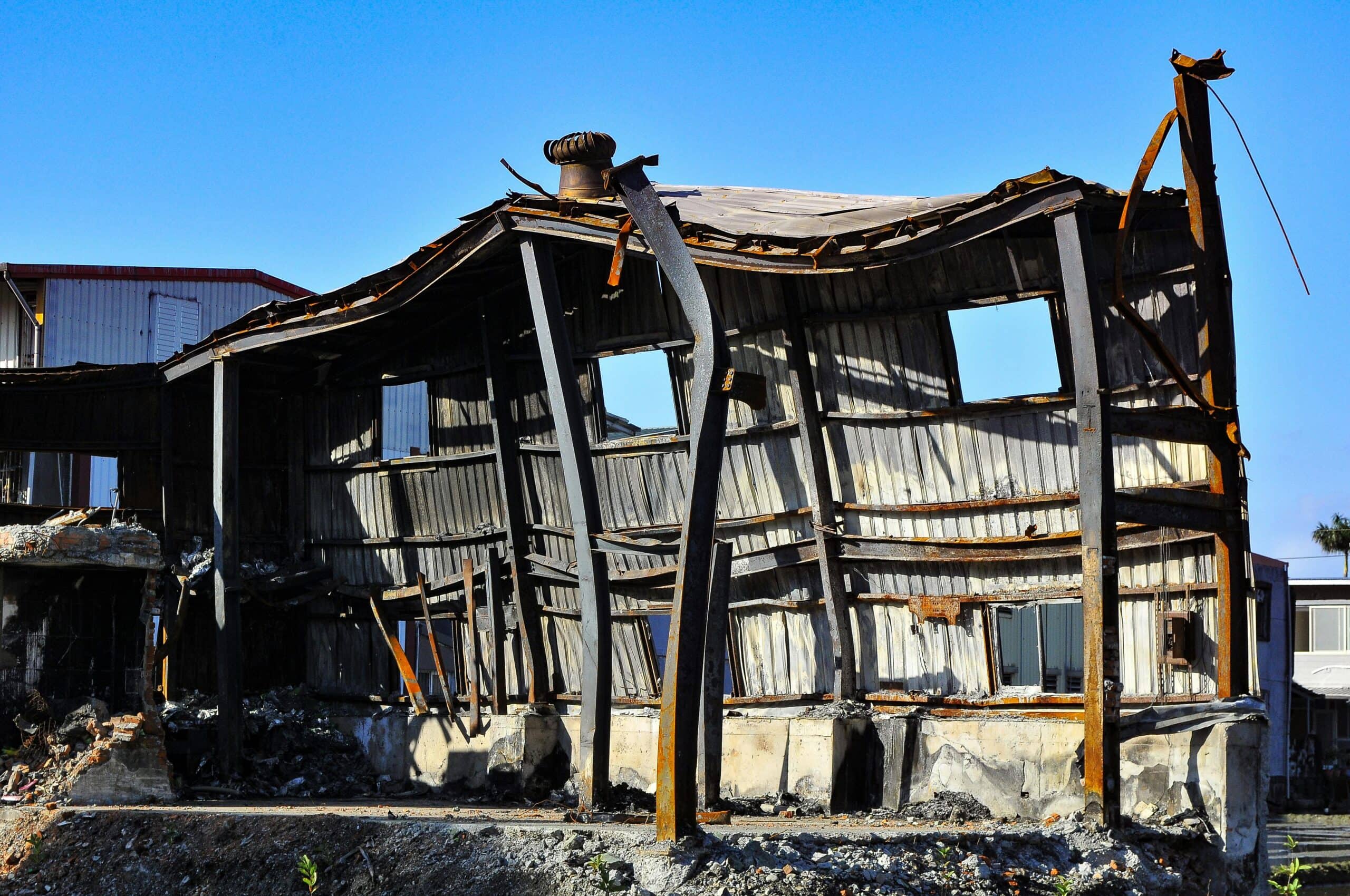
A useful failure investigation starts by protecting evidence. Cleaning, cutting, or repairing the part too early can remove the features needed to explain what happened.

From request to agreed method: Failure Analysis with Engineering Recommendation

First, we review the available drawings, purchase documents, procedures, sample details, and previous records. The team then confirms the applicable requirement, the area or item to be covered, and the acceptance basis. We list missing information before work begins.

Next, project conditions matter. Access, permits, production status, safe isolation, sample preparation, witness notice, and turnaround time can affect the plan. Agreeing these points early keeps the assignment realistic.

Keeping the result reliable

During the assignment, qualified personnel follow the approved method and record the conditions that can influence the result. The exact controls depend on the service, but the aim stays the same: make every observation or measurement traceable to the correct item.

  • background and service history
  • evidence preservation
  • visual and dimensional examination
  • material and fracture assessment
  • targeted laboratory testing
  • cause evaluation and corrective actions

For example, typical risks include lost evidence, incorrect assumptions, symptom-only repairs. We also manage these risks through identification checks, suitable equipment, clear hold points, and timely communication with the client.

Most importantly, the work follows relevant ASTM examination methods, engineering references, service data, and client requirements. If the contract uses a different requirement, the approved project document takes priority. Conclusions are tied to the evidence examined, the tests completed, and any stated limitations.

One question worth answering early

What should be sent before a failure-analysis visit?

Provide service history, operating conditions, drawings, material records, maintenance work, photographs, and a timeline. Keep failed pieces and nearby deposits in their original condition where practical.

For this reason, providing this information at the enquiry stage helps us quote the correct work. It also reduces last-minute changes once we have reserved personnel, equipment, or laboratory time.

Turning results into a decision

Finally, the report identifies the item, its origin, the method, and the finding. Depending on the scope, the supporting record may include photographs, observations, test results, causal analysis, limitations, conclusions, and practical recommendations. We state any limitation or deviation plainly.

However, if a result does not meet the requirement, we identify the affected item and communicate the finding. The client can then decide whether to repair, replace, investigate, or request further verification. We record the agreed close-out action when it forms part of our scope.

Support for projects in Guyana

In Guyana, Kheeran Offshore supports oil and gas, offshore and marine, energy, fabrication, manufacturing, construction, and infrastructure work. Assignments may take place at vendor facilities, fabrication yards, operating sites, offshore assets, or our Georgetown laboratory, depending on the service.

Depending on the need, the scope can cover a single urgent item or a planned inspection and testing programme. In both cases, the client receives one local point of contact and a report written for practical project use.

Request Failure Analysis with Engineering Recommendation in Guyana

Contact Kheeran Offshore to discuss Failure Analysis with Engineering Recommendation in Guyana. Call or WhatsApp +592-602-5664, email admin@kheeran.gy, or use our contact page. Please include the item, location, applicable requirement, schedule, and expected deliverable. We will review the details and prepare a clear quotation.
by Kheeran Offshore Technical Team Kheeran Offshore Technical Team

Piping Welding Inspection and NDT Services in Guyana

Reliable piping welding inspection and NDT Guyana gives project teams clear evidence about weld quality. Kheeran Offshore supports piping fabricators, EPC contractors, plant owners, and commissioning teams across Guyana. We inspect process piping, fabricated spools, field tie-ins, repairs, and pressure-system connections from planning through final acceptance. Therefore, clients can control repairs, release work confidently, and maintain traceable records.

Piping quality depends on both workmanship and system control. Weld identity, material traceability, NDT status, pressure-test boundaries, and turnover records must agree. Because each project is different, we agree the inspection scope before work starts. We also identify witness points, hold points, reporting times, and responsible contacts.

Why piping welding inspection and NDT Guyana Matters

Welded joints often become part of a larger safety system. A single nonconforming joint can delay testing, coating, shipment, or start-up. However, early inspection keeps small problems from becoming expensive site repairs. It also gives production teams useful feedback while correction remains practical.

Common risks include wrong material, poor root condition, incomplete penetration, and uncontrolled repairs. Projects may also face missed NDT or test-pack delays. Therefore, our inspectors review both the physical work and the records that support it. This balanced approach protects quality without creating unnecessary delay.

Inspection Before Welding Starts

Before production starts, the inspector checks the latest drawings, specifications, and inspection plan. Material certificates and identification marks are compared with the required grade. In addition, welding consumables, storage controls, joint details, and welder qualifications are reviewed. The team then confirms that the correct approved procedure is available at the work area.

Fit-up receives close attention because preparation affects the entire joint. We check alignment, root opening, bevel condition, cleanliness, tack welds, and access. Where the procedure requires preheat, the inspector confirms the method and temperature range. Consequently, the welder begins with a controlled and documented joint.

Weld Surveillance and Visual Testing

While production continues, our inspector monitors technique and essential variables within the agreed scope. These may include amperage, voltage, travel speed, heat input, interpass temperature, shielding, and consumable control. The inspector also watches bead placement, cleaning, and joint sequence. If a deviation appears, it can be addressed before the joint progresses further.

At final inspection, visual testing checks profile, size, contour, surface condition, and visible discontinuities. The result is compared with the governing acceptance criteria. The inspection may also confirm dimensions, identification, and readiness for the next activity. Therefore, coating, NDT, pressure testing, or shipment does not begin with unresolved quality questions.

Typical Checks and NDT Support

Kheeran Offshore tailors the inspection plan to the joint design, material, access, and code. Typical activities include:

  • wrong material prevention and material traceability checks;
  • fit-up and weld inspection against approved drawings and procedures;
  • PT or MT for surface testing during agreed witness points;
  • UT where required using the specified acceptance criteria;
  • PMI and document verification and repair verification; and
  • final status review before release or turnover.

Non-destructive testing must suit the expected discontinuity and the applicable requirement. Visual testing supports every weld examination. In addition, liquid penetrant or magnetic particle testing can evaluate suitable surfaces. Ultrasonic testing may examine internal conditions when the geometry and code allow it. We coordinate the required method and confirm that results link to the correct weld.

Codes, Procedures, and Acceptance Criteria

Inspection follows ASME B31.3, ASME Section IX, API 1104 where relevant, and the approved project specification. The contract documents always control the final scope and acceptance limits. Therefore, our inspector confirms the required code edition and project amendments before making acceptance decisions. Qualification records are also checked against the essential variables of the planned work.

Kheeran Offshore can review WPS, PQR, and welder performance qualification documents. When required, we witness qualification testing and verify test identification. We also track repairs to the approved repair procedure. This disciplined process helps prevent informal changes that weaken traceability or delay handover.

Clear Reporting for Project Decisions

Useful inspection reports should tell the project team what was checked, where it was checked, and what happened next. Our reporting may include weld maps, NDT reports, repair registers, test-pack support, and final acceptance records. Findings identify the relevant weld, drawing, specification, and acceptance clause whenever practical. As a result, responsible teams can act without guessing.

Open items remain visible until the agreed disposition is complete. Repairs receive a new inspection and the required NDT. Then, the records show whether the item is accepted, rejected, or awaiting action. This simple status control supports fabrication meetings, turnover reviews, and client audits.

Local Support from Kheeran Offshore Guyana

Local coordination matters when schedules change quickly. Kheeran Offshore is based in Georgetown and can support fabrication yards, construction sites, industrial facilities, and offshore assignments. Our team communicates promptly with project personnel while maintaining independent technical judgment. Therefore, clients receive responsive service without reducing inspection discipline.

Our piping welding inspection and NDT Guyana can support one inspection visit or an ongoing quality assignment. We can work to an existing inspection test plan or help define practical surveillance points. In either case, the objective remains the same: verify compliant work, reduce avoidable rework, and protect people, equipment, and schedules.

Request Piping Welding Inspection and NDT Guyana

Discuss your next project with Kheeran Offshore. Call or WhatsApp +592-602-5664, email admin@kheeran.gy, or visit our contact page. Share the project location, code, material, joint type, schedule, and required inspection points. We will review the scope and provide a clear quotation for piping welding inspection and NDT Guyana.