by Kheeran Offshore Technical Team Kheeran Offshore Technical Team No Comments

ASTM A923 Method C Corrosion Test in Guyana

Good ASTM A923 Method C Corrosion Test in Guyana begins with the details that are easy to overlook: identification, condition, location, governing document, and acceptance limit. Our Georgetown team reviews those points before confirming the work.

The assignment is planned around the actual component and its service. This avoids a common problem: performing a technically correct activity that does not answer the client’s real question.

ASTM A923 is used to examine whether duplex stainless steel may contain detrimental intermetallic phases. Method C uses a corrosion test, so specimen preparation, solution condition, temperature, exposure time, and acceptance basis must be agreed before testing.

The checks that protect the result: ASTM A923 Method C Corrosion Test

First, we review the available drawings, purchase documents, procedures, sample details, and previous records. The team then confirms the applicable requirement, the area or item to be covered, and the acceptance basis. We list missing information before work begins.

Next, project conditions matter. Access, permits, production status, safe isolation, sample preparation, witness notice, and turnaround time can affect the plan. Agreeing these points early keeps the assignment realistic.

Working to the agreed requirement

During the assignment, qualified personnel follow the approved method and record the conditions that can influence the result. The exact controls depend on the service, but the aim stays the same: make every observation or measurement traceable to the correct item.

  • sample identity and chain of custody
  • applicable test method
  • specimen dimensions and orientation
  • machine verification
  • test temperature and loading
  • results, calculations, and report review

For example, typical risks include sample mix-ups, incorrect specimen preparation, wrong test conditions. We also manage these risks through identification checks, suitable equipment, clear hold points, and timely communication with the client.

Most importantly, the work follows the specified ASTM, ASME, ISO, API, AWS, or client test method. If the contract uses a different requirement, the approved project document takes priority. Method C should not be applied with assumed conditions. The purchase specification or project requirement must identify the correct acceptance route.

What should be confirmed first

Does Method C produce a simple pass or fail for every duplex grade?

No. The material grade, product specification, heat treatment condition, test parameters, and stated acceptance limit must be reviewed together. We report the measured result and the basis used for evaluation.

For this reason, providing this information at the enquiry stage helps us quote the correct work. It also reduces last-minute changes once we have reserved personnel, equipment, or laboratory time.

Reports people can use

Finally, the report identifies the item, its origin, the method, and the finding. Depending on the scope, the supporting record may include sample identification, preparation details, equipment references, raw results, calculations, and a signed report. We state any limitation or deviation plainly.

However, if a result does not meet the requirement, we identify the affected item and communicate the finding. The client can then decide whether to repair, replace, investigate, or request further verification. We record the agreed close-out action when it forms part of our scope.

Support for projects in Guyana

In Guyana, Kheeran Offshore supports oil and gas, offshore and marine, energy, fabrication, manufacturing, construction, and infrastructure work. Assignments may take place at vendor facilities, fabrication yards, operating sites, offshore assets, or our Georgetown laboratory, depending on the service.

Depending on the need, the scope can cover a single urgent item or a planned inspection and testing programme. In both cases, the client receives one local point of contact and a report written for practical project use.

Request ASTM A923 Method C Corrosion Test in Guyana

Contact Kheeran Offshore to discuss ASTM A923 Method C Corrosion Test in Guyana. Call or WhatsApp +592-602-5664, email admin@kheeran.gy, or use our contact page. Please include the item, location, applicable requirement, schedule, and expected deliverable. We will review the details and prepare a clear quotation.
by Kheeran Offshore Technical Team Kheeran Offshore Technical Team No Comments

ASTM A262 Method E Corrosion Test in Guyana

For ASTM A262 Method E Corrosion Test in Guyana, the quality of the result depends on the quality of the information supplied at the start. Kheeran Offshore checks the item, requirement, method, and deliverable before the assignment is scheduled.

Kheeran Offshore supports clients from Georgetown and works with fabricators, EPC contractors, asset owners, vendors, and maintenance teams across Guyana. We agree the communication route and witness points early, so findings reach the right people without unnecessary delay.

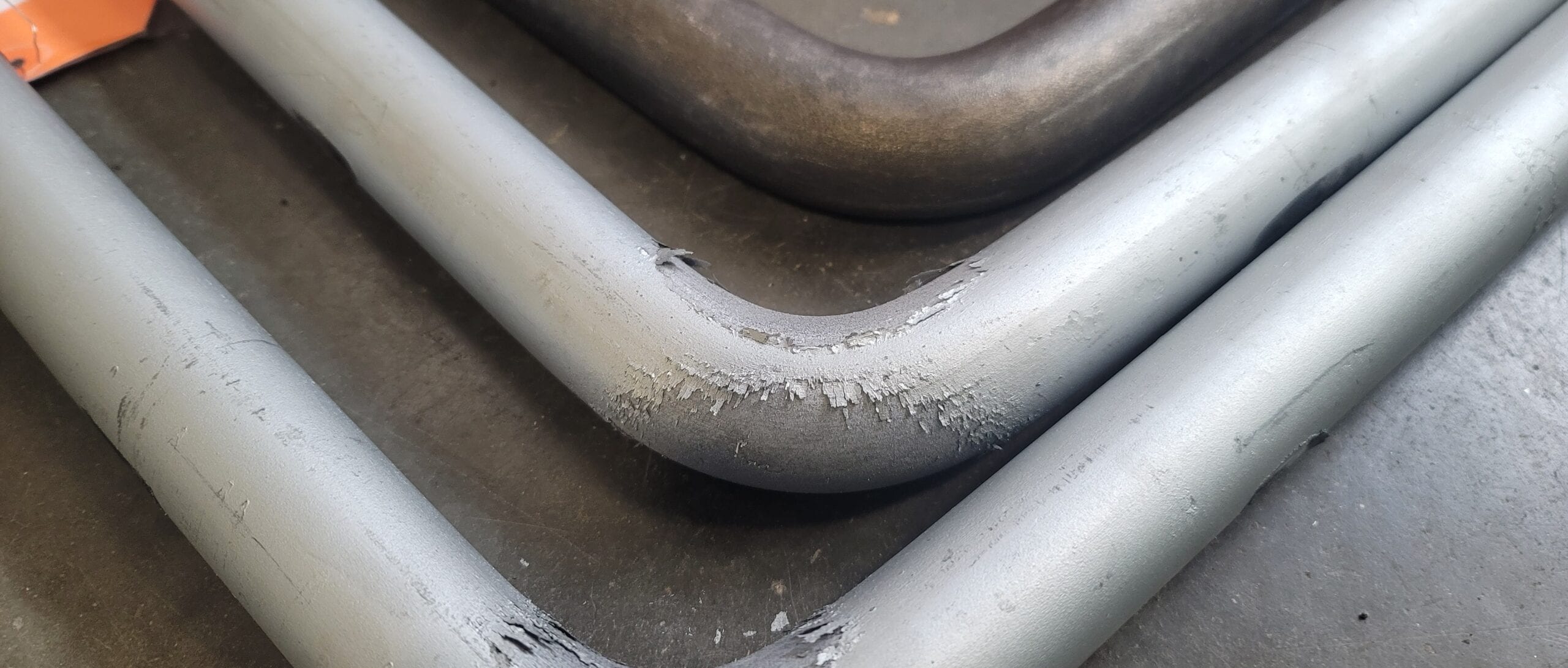
ASTM A262 Practice E is commonly used to evaluate susceptibility to intergranular attack in austenitic stainless steel. The test includes controlled exposure followed by a bend evaluation, so specimen condition and orientation matter.

From request to agreed method: ASTM A262 Method E Corrosion Test

First, we review the available drawings, purchase documents, procedures, sample details, and previous records. The team then confirms the applicable requirement, the area or item to be covered, and the acceptance basis. We list missing information before work begins.

Next, project conditions matter. Access, permits, production status, safe isolation, sample preparation, witness notice, and turnaround time can affect the plan. Agreeing these points early keeps the assignment realistic.

Keeping the result reliable

During the assignment, qualified personnel follow the approved method and record the conditions that can influence the result. The exact controls depend on the service, but the aim stays the same: make every observation or measurement traceable to the correct item.

  • sample identity and chain of custody
  • applicable test method
  • specimen dimensions and orientation
  • machine verification
  • test temperature and loading
  • results, calculations, and report review

For example, typical risks include sample mix-ups, incorrect specimen preparation, wrong test conditions. We also manage these risks through identification checks, suitable equipment, clear hold points, and timely communication with the client.

Most importantly, the work follows the specified ASTM, ASME, ISO, API, AWS, or client test method. If the contract uses a different requirement, the approved project document takes priority. The test method identifies a susceptibility condition; engineering acceptance must follow the applicable material or project specification.

One question worth answering early

Can any stainless steel sample be tested the same way?

No. We first confirm the alloy, product form, heat treatment, specimen direction, and project requirement. Those details determine whether Practice E is suitable and how the result should be reported.

For this reason, providing this information at the enquiry stage helps us quote the correct work. It also reduces last-minute changes once we have reserved personnel, equipment, or laboratory time.

Turning results into a decision

Finally, the report identifies the item, its origin, the method, and the finding. Depending on the scope, the supporting record may include sample identification, preparation details, equipment references, raw results, calculations, and a signed report. We state any limitation or deviation plainly.

However, if a result does not meet the requirement, we identify the affected item and communicate the finding. The client can then decide whether to repair, replace, investigate, or request further verification. We record the agreed close-out action when it forms part of our scope.

Support for projects in Guyana

In Guyana, Kheeran Offshore supports oil and gas, offshore and marine, energy, fabrication, manufacturing, construction, and infrastructure work. Assignments may take place at vendor facilities, fabrication yards, operating sites, offshore assets, or our Georgetown laboratory, depending on the service.

Depending on the need, the scope can cover a single urgent item or a planned inspection and testing programme. In both cases, the client receives one local point of contact and a report written for practical project use.

Request ASTM A262 Method E Corrosion Test in Guyana

Contact Kheeran Offshore to discuss ASTM A262 Method E Corrosion Test in Guyana. Call or WhatsApp +592-602-5664, email admin@kheeran.gy, or use our contact page. Please include the item, location, applicable requirement, schedule, and expected deliverable. We will review the details and prepare a clear quotation.
by Kheeran Offshore Technical Team Kheeran Offshore Technical Team No Comments

ASTM A262 Method A Corrosion Test in Guyana

Good ASTM A262 Method A Corrosion Test in Guyana begins with the details that are easy to overlook: identification, condition, location, governing document, and acceptance limit. Our Georgetown team reviews those points before confirming the work.

The assignment is planned around the actual component and its service. This avoids a common problem: performing a technically correct activity that does not answer the client’s real question.

ASTM A262 Practice A uses an oxalic-acid etch examination to classify the microstructure of austenitic stainless steel. Surface preparation and the correct interpretation of the etched structure are central to a useful result.

The checks that protect the result: ASTM A262 Method A Corrosion Test

First, we review the available drawings, purchase documents, procedures, sample details, and previous records. The team then confirms the applicable requirement, the area or item to be covered, and the acceptance basis. We list missing information before work begins.

Next, project conditions matter. Access, permits, production status, safe isolation, sample preparation, witness notice, and turnaround time can affect the plan. Agreeing these points early keeps the assignment realistic.

Working to the agreed requirement

During the assignment, qualified personnel follow the approved method and record the conditions that can influence the result. The exact controls depend on the service, but the aim stays the same: make every observation or measurement traceable to the correct item.

  • sample identity and chain of custody
  • applicable test method
  • specimen dimensions and orientation
  • machine verification
  • test temperature and loading
  • results, calculations, and report review

For example, typical risks include sample mix-ups, incorrect specimen preparation, wrong test conditions. We also manage these risks through identification checks, suitable equipment, clear hold points, and timely communication with the client.

Most importantly, the work follows the specified ASTM, ASME, ISO, API, AWS, or client test method. If the contract uses a different requirement, the approved project document takes priority. We confirm the alloy and governing requirement before selecting the preparation and examination route.

What should be confirmed first

Is Practice A always the final corrosion acceptance test?

Not always. It is often used as a screening examination. The material specification may require another ASTM A262 practice when the observed structure or service duty calls for further evaluation.

For this reason, providing this information at the enquiry stage helps us quote the correct work. It also reduces last-minute changes once we have reserved personnel, equipment, or laboratory time.

Reports people can use

Finally, the report identifies the item, its origin, the method, and the finding. Depending on the scope, the supporting record may include sample identification, preparation details, equipment references, raw results, calculations, and a signed report. We state any limitation or deviation plainly.

However, if a result does not meet the requirement, we identify the affected item and communicate the finding. The client can then decide whether to repair, replace, investigate, or request further verification. We record the agreed close-out action when it forms part of our scope.

Support for projects in Guyana

In Guyana, Kheeran Offshore supports oil and gas, offshore and marine, energy, fabrication, manufacturing, construction, and infrastructure work. Assignments may take place at vendor facilities, fabrication yards, operating sites, offshore assets, or our Georgetown laboratory, depending on the service.

Depending on the need, the scope can cover a single urgent item or a planned inspection and testing programme. In both cases, the client receives one local point of contact and a report written for practical project use.

Request ASTM A262 Method A Corrosion Test in Guyana

Contact Kheeran Offshore to discuss ASTM A262 Method A Corrosion Test in Guyana. Call or WhatsApp +592-602-5664, email admin@kheeran.gy, or use our contact page. Please include the item, location, applicable requirement, schedule, and expected deliverable. We will review the details and prepare a clear quotation.

by Kheeran Offshore Technical Team Kheeran Offshore Technical Team No Comments

ASTM G48 Method A Corrosion Test in Guyana

For ASTM G48 Method A Corrosion Test in Guyana, the quality of the result depends on the quality of the information supplied at the start. Kheeran Offshore checks the item, requirement, method, and deliverable before the assignment is scheduled.

Kheeran Offshore supports clients from Georgetown and works with fabricators, EPC contractors, asset owners, vendors, and maintenance teams across Guyana. We agree the communication route and witness points early, so findings reach the right people without unnecessary delay.

ASTM G48 testing exposes corrosion-resistant alloys to a controlled ferric-chloride environment. Small changes in temperature, exposure time, specimen finish, or crevice arrangement can change the outcome.

From request to agreed method: ASTM G48 Method A Corrosion Test

First, we review the available drawings, purchase documents, procedures, sample details, and previous records. The team then confirms the applicable requirement, the area or item to be covered, and the acceptance basis. We list missing information before work begins.

Next, project conditions matter. Access, permits, production status, safe isolation, sample preparation, witness notice, and turnaround time can affect the plan. Agreeing these points early keeps the assignment realistic.

Keeping the result reliable

During the assignment, qualified personnel follow the approved method and record the conditions that can influence the result. The exact controls depend on the service, but the aim stays the same: make every observation or measurement traceable to the correct item.

  • sample identity and chain of custody
  • applicable test method
  • specimen dimensions and orientation
  • machine verification
  • test temperature and loading
  • results, calculations, and report review

For example, typical risks include sample mix-ups, incorrect specimen preparation, wrong test conditions. We also manage these risks through identification checks, suitable equipment, clear hold points, and timely communication with the client.

Most importantly, the work follows the specified ASTM, ASME, ISO, API, AWS, or client test method. If the contract uses a different requirement, the approved project document takes priority. ASTM G48 contains several methods. The project must identify the required method and evaluation criteria.

One question worth answering early

What should accompany a sample for ASTM G48 testing?

Provide the alloy grade, product form, heat treatment, required method, test temperature, exposure time, acceptance limit, and any machining restrictions. We record the agreed conditions in the report.

For this reason, providing this information at the enquiry stage helps us quote the correct work. It also reduces last-minute changes once we have reserved personnel, equipment, or laboratory time.

Turning results into a decision

Finally, the report identifies the item, its origin, the method, and the finding. Depending on the scope, the supporting record may include sample identification, preparation details, equipment references, raw results, calculations, and a signed report. We state any limitation or deviation plainly.

However, if a result does not meet the requirement, we identify the affected item and communicate the finding. The client can then decide whether to repair, replace, investigate, or request further verification. We record the agreed close-out action when it forms part of our scope.

Support for projects in Guyana

In Guyana, Kheeran Offshore supports oil and gas, offshore and marine, energy, fabrication, manufacturing, construction, and infrastructure work. Assignments may take place at vendor facilities, fabrication yards, operating sites, offshore assets, or our Georgetown laboratory, depending on the service.

Depending on the need, the scope can cover a single urgent item or a planned inspection and testing programme. In both cases, the client receives one local point of contact and a report written for practical project use.

Request ASTM G48 Method A Corrosion Test in Guyana

Contact Kheeran Offshore to discuss ASTM G48 Method A Corrosion Test in Guyana. Call or WhatsApp +592-602-5664, email admin@kheeran.gy, or use our contact page. Please include the item, location, applicable requirement, schedule, and expected deliverable. We will review the details and prepare a clear quotation.

by Kheeran Offshore Technical Team Kheeran Offshore Technical Team No Comments

Micro Evaluation with Photomicrograph Services in Guyana

When a project team asks about Micro Evaluation with Photomicrograph Services in Guyana, our first step is a short technical conversation. What is the item? Which requirement applies? What decision must the result support? Those answers shape the scope far better than a generic checklist.

Our role is independent and practical. We do not add unnecessary steps, and we do not reduce the scope below the code or project requirement. Questions are raised early, while there is still time to answer them.

Microscopic examination starts long before the image is taken. Cutting, mounting, grinding, polishing, and etching must preserve the area of interest and reveal the required feature.

What matters before work starts: Micro Evaluation with Photomicrograph Services

First, we review the available drawings, purchase documents, procedures, sample details, and previous records. The team then confirms the applicable requirement, the area or item to be covered, and the acceptance basis. We list missing information before work begins.

Next, project conditions matter. Access, permits, production status, safe isolation, sample preparation, witness notice, and turnaround time can affect the plan. Agreeing these points early keeps the assignment realistic.

What happens during the assignment

During the assignment, qualified personnel follow the approved method and record the conditions that can influence the result. The exact controls depend on the service, but the aim stays the same: make every observation or measurement traceable to the correct item.

  • sample identity and chain of custody
  • applicable test method
  • specimen dimensions and orientation
  • machine verification
  • test temperature and loading
  • results, calculations, and report review

For example, typical risks include sample mix-ups, incorrect specimen preparation, wrong test conditions. We also manage these risks through identification checks, suitable equipment, clear hold points, and timely communication with the client.

Most importantly, the work follows the specified ASTM, ASME, ISO, API, AWS, or client test method. If the contract uses a different requirement, the approved project document takes priority. A micrograph is evidence from a defined location. It should be interpreted with sampling details and other available test results.

A practical question from project teams

What can a photomicrograph show?

Depending on the scope, it can document phases, grain structure, inclusions, decarburization, heat-affected zones, or an unusual feature. Magnification and etchant are selected for the material and question.

For this reason, providing this information at the enquiry stage helps us quote the correct work. It also reduces last-minute changes once we have reserved personnel, equipment, or laboratory time.

Reporting without ambiguity

Finally, the report identifies the item, its origin, the method, and the finding. Depending on the scope, the supporting record may include sample identification, preparation details, equipment references, raw results, calculations, and a signed report. We state any limitation or deviation plainly.

However, if a result does not meet the requirement, we identify the affected item and communicate the finding. The client can then decide whether to repair, replace, investigate, or request further verification. We record the agreed close-out action when it forms part of our scope.

Support for projects in Guyana

In Guyana, Kheeran Offshore supports oil and gas, offshore and marine, energy, fabrication, manufacturing, construction, and infrastructure work. Assignments may take place at vendor facilities, fabrication yards, operating sites, offshore assets, or our Georgetown laboratory, depending on the service.

Depending on the need, the scope can cover a single urgent item or a planned inspection and testing programme. In both cases, the client receives one local point of contact and a report written for practical project use.

Request Micro Evaluation with Photomicrograph Services in Guyana

Contact Kheeran Offshore to discuss Micro Evaluation with Photomicrograph Services in Guyana. Call or WhatsApp +592-602-5664, email admin@kheeran.gy, or use our contact page. Please include the item, location, applicable requirement, schedule, and expected deliverable. We will review the details and prepare a clear quotation.

by Kheeran Offshore Technical Team Kheeran Offshore Technical Team No Comments

Embrittlement Bend Test by Kheeran Offshore Inc in Guyana

When a project team asks about Embrittlement Bend Test by Kheeran Offshore Inc in Guyana, our first step is a short technical conversation. What is the item? Which requirement applies? What decision must the result support? Those answers shape the scope far better than a generic checklist.

Our role is independent and practical. We do not add unnecessary steps, and we do not reduce the scope below the code or project requirement. Questions are raised early, while there is still time to answer them.

Qualification testing checks whether a weld procedure or welder can produce an acceptable joint under defined conditions. Specimen location, orientation, machining, former size, and examination criteria must follow the selected code.

What matters before work starts: Embrittlement Bend Test Inc

First, we review the available drawings, purchase documents, procedures, sample details, and previous records. The team then confirms the applicable requirement, the area or item to be covered, and the acceptance basis. We list missing information before work begins.

Next, project conditions matter. Access, permits, production status, safe isolation, sample preparation, witness notice, and turnaround time can affect the plan. Agreeing these points early keeps the assignment realistic.

What happens during the assignment

During the assignment, qualified personnel follow the approved method and record the conditions that can influence the result. The exact controls depend on the service, but the aim stays the same: make every observation or measurement traceable to the correct item.

  • sample identity and chain of custody
  • applicable test method
  • specimen dimensions and orientation
  • machine verification
  • test temperature and loading
  • results, calculations, and report review

For example, typical risks include sample mix-ups, incorrect specimen preparation, wrong test conditions. We also manage these risks through identification checks, suitable equipment, clear hold points, and timely communication with the client.

Most importantly, the work follows the specified ASTM, ASME, ISO, API, AWS, or client test method. If the contract uses a different requirement, the approved project document takes priority. The test report supports qualification, but the final WPS, PQR, or welder record must be completed against the applicable code.

A practical question from project teams

Who decides which qualification specimens are required?

The governing code, base material, thickness, process, joint type, and qualification range set the test package. We review these details before cutting the coupon.

For this reason, providing this information at the enquiry stage helps us quote the correct work. It also reduces last-minute changes once we have reserved personnel, equipment, or laboratory time.

Reporting without ambiguity

Finally, the report identifies the item, its origin, the method, and the finding. Depending on the scope, the supporting record may include sample identification, preparation details, equipment references, raw results, calculations, and a signed report. We state any limitation or deviation plainly.

However, if a result does not meet the requirement, we identify the affected item and communicate the finding. The client can then decide whether to repair, replace, investigate, or request further verification. We record the agreed close-out action when it forms part of our scope.

Support for projects in Guyana

In Guyana, Kheeran Offshore supports oil and gas, offshore and marine, energy, fabrication, manufacturing, construction, and infrastructure work. Assignments may take place at vendor facilities, fabrication yards, operating sites, offshore assets, or our Georgetown laboratory, depending on the service.

Depending on the need, the scope can cover a single urgent item or a planned inspection and testing programme. In both cases, the client receives one local point of contact and a report written for practical project use.

Request Embrittlement Bend Test Inc in Guyana

Contact Kheeran Offshore to discuss Embrittlement Bend Test by Kheeran Offshore Inc in Guyana. Call or WhatsApp +592-602-5664, email admin@kheeran.gy, or use our contact page. Please include the item, location, applicable requirement, schedule, and expected deliverable. We will review the details and prepare a clear quotation.

by Kheeran Offshore Technical Team Kheeran Offshore Technical Team No Comments

Macro Examination Services in Guyana

No two requests for Macro Examination Services in Guyana arrive with exactly the same background. One client may need a qualification result, while another is checking supplied material or investigating a field concern. Kheeran Offshore starts by understanding that practical difference.

Local coordination matters when a vessel, fabrication yard, site crew, or laboratory schedule changes. Our team confirms access, preparation, equipment, and reporting expectations before mobilization.

A macro examination gives a direct cross-sectional view of a weld or component. After careful preparation and etching, it can show fusion profile, penetration, weld size, heat-affected zones, and visible discontinuities.

Planning the scope around the project: Macro Examination Services

First, we review the available drawings, purchase documents, procedures, sample details, and previous records. The team then confirms the applicable requirement, the area or item to be covered, and the acceptance basis. We list missing information before work begins.

Next, project conditions matter. Access, permits, production status, safe isolation, sample preparation, witness notice, and turnaround time can affect the plan. Agreeing these points early keeps the assignment realistic.

Checks carried out by our team

During the assignment, qualified personnel follow the approved method and record the conditions that can influence the result. The exact controls depend on the service, but the aim stays the same: make every observation or measurement traceable to the correct item.

  • sample identity and chain of custody
  • applicable test method
  • specimen dimensions and orientation
  • machine verification
  • test temperature and loading
  • results, calculations, and report review

For example, typical risks include sample mix-ups, incorrect specimen preparation, wrong test conditions. We also manage these risks through identification checks, suitable equipment, clear hold points, and timely communication with the client.

Most importantly, the work follows the specified ASTM, ASME, ISO, API, AWS, or client test method. If the contract uses a different requirement, the approved project document takes priority. Acceptance is based on the stated welding code, procedure qualification requirement, or client specification.

Before you book the work

Where should a macro specimen be removed?

The drawing, qualification plan, or suspected area should define the location. The cut must preserve orientation and identification so the image can be traced back to the joint.

For this reason, providing this information at the enquiry stage helps us quote the correct work. It also reduces last-minute changes once we have reserved personnel, equipment, or laboratory time.

From observation to action

Finally, the report identifies the item, its origin, the method, and the finding. Depending on the scope, the supporting record may include sample identification, preparation details, equipment references, raw results, calculations, and a signed report. We state any limitation or deviation plainly.

However, if a result does not meet the requirement, we identify the affected item and communicate the finding. The client can then decide whether to repair, replace, investigate, or request further verification. We record the agreed close-out action when it forms part of our scope.

Support for projects in Guyana

In Guyana, Kheeran Offshore supports oil and gas, offshore and marine, energy, fabrication, manufacturing, construction, and infrastructure work. Assignments may take place at vendor facilities, fabrication yards, operating sites, offshore assets, or our Georgetown laboratory, depending on the service.

Depending on the need, the scope can cover a single urgent item or a planned inspection and testing programme. In both cases, the client receives one local point of contact and a report written for practical project use.

Request Macro Examination Services in Guyana

Contact Kheeran Offshore to discuss Macro Examination Services in Guyana. Call or WhatsApp +592-602-5664, email admin@kheeran.gy, or use our contact page. Please include the item, location, applicable requirement, schedule, and expected deliverable. We will review the details and prepare a clear quotation.

by Kheeran Offshore Technical Team Kheeran Offshore Technical Team No Comments

Sample Identification and Chain of Custody for Material Testing

Sample Identification and Chain of Custody for Material Testing focuses on one defined technical question. Reliable results begin with an unbroken link between the original component, the removed sample, the prepared specimen and the final report.

For a defensible result, the test method must remain connected to the material grade, sample location, orientation and controlling acceptance criteria. The final report should state any limitation that affects how the result can be used.

No two requests for Your Local Material Testing Facility in Guyana! arrive with exactly the same background. One client may need a qualification result, while another is checking supplied material or investigating a field concern. Kheeran Offshore starts by understanding that practical difference.

Local coordination matters when a vessel, fabrication yard, site crew, or laboratory schedule changes. Our team confirms access, preparation, equipment, and reporting expectations before mobilization.

The useful result is not a generic certificate. It is a clear record tied to the correct item, requirement, and project decision.

Planning the scope around the project: Kheeran Offshore, Your Local Material Testing Facility!

First, we review the available drawings, purchase documents, procedures, sample details, and previous records. The team then confirms the applicable requirement, the area or item to be covered, and the acceptance basis. We list missing information before work begins.

Next, project conditions matter. Access, permits, production status, safe isolation, sample preparation, witness notice, and turnaround time can affect the plan. Agreeing these points early keeps the assignment realistic.

Checks carried out by our team

During the assignment, qualified personnel follow the approved method and record the conditions that can influence the result. The exact controls depend on the service, but the aim stays the same: make every observation or measurement traceable to the correct item.

  • sample identity and chain of custody
  • applicable test method
  • specimen dimensions and orientation
  • machine verification
  • test temperature and loading
  • results, calculations, and report review

For example, typical risks include sample mix-ups, incorrect specimen preparation, wrong test conditions. We also manage these risks through identification checks, suitable equipment, clear hold points, and timely communication with the client.

Most importantly, the work follows the specified ASTM, ASME, ISO, API, AWS, or client test method. If the contract uses a different requirement, the approved project document takes priority. The governing code, approved procedure, or client specification always controls the final scope and acceptance decision.

Before you book the work

What information should we send before the work is scheduled?

Send the item description, location, drawing or sample reference, applicable code, acceptance criteria, and required date. Photos and previous reports also help when they are available.

For this reason, providing this information at the enquiry stage helps us quote the correct work. It also reduces last-minute changes once we have reserved personnel, equipment, or laboratory time.

From observation to action

Finally, the report identifies the item, its origin, the method, and the finding. Depending on the scope, the supporting record may include sample identification, preparation details, equipment references, raw results, calculations, and a signed report. We state any limitation or deviation plainly.

However, if a result does not meet the requirement, we identify the affected item and communicate the finding. The client can then decide whether to repair, replace, investigate, or request further verification. We record the agreed close-out action when it forms part of our scope.

Support for projects in Guyana

In Guyana, Kheeran Offshore supports oil and gas, offshore and marine, energy, fabrication, manufacturing, construction, and infrastructure work. Assignments may take place at vendor facilities, fabrication yards, operating sites, offshore assets, or our Georgetown laboratory, depending on the service.

Depending on the need, the scope can cover a single urgent item or a planned inspection and testing programme. In both cases, the client receives one local point of contact and a report written for practical project use.

Request Kheeran Offshore, Your Local Material Testing Facility! in Guyana

Contact Kheeran Offshore to discuss Your Local Material Testing Facility in Guyana!. Call or WhatsApp +592-602-5664, email admin@kheeran.gy, or use our contact page. Please include the item, location, applicable requirement, schedule, and expected deliverable. We will review the details and prepare a clear quotation.

by Kheeran Offshore Technical Team Kheeran Offshore Technical Team No Comments

Failure Analysis with Engineering Recommendation in Guyana

For Failure Analysis with Engineering Recommendation in Guyana, the quality of the result depends on the quality of the information supplied at the start. Kheeran Offshore checks the item, requirement, method, and deliverable before the assignment is scheduled.

Kheeran Offshore supports clients from Georgetown and works with fabricators, EPC contractors, asset owners, vendors, and maintenance teams across Guyana. We agree the communication route and witness points early, so findings reach the right people without unnecessary delay.

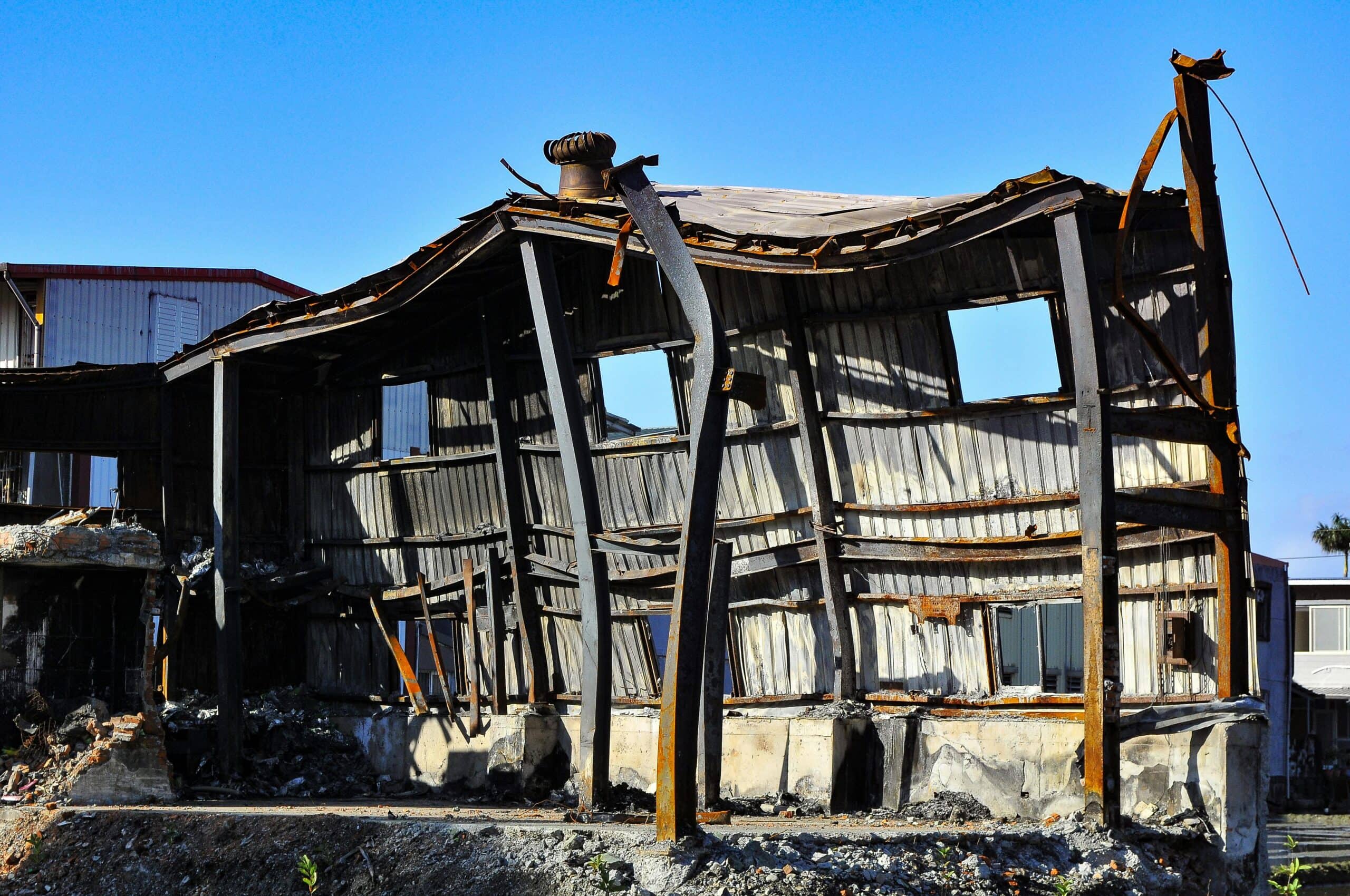
A useful failure investigation starts by protecting evidence. Cleaning, cutting, or repairing the part too early can remove the features needed to explain what happened.

From request to agreed method: Failure Analysis with Engineering Recommendation

First, we review the available drawings, purchase documents, procedures, sample details, and previous records. The team then confirms the applicable requirement, the area or item to be covered, and the acceptance basis. We list missing information before work begins.

Next, project conditions matter. Access, permits, production status, safe isolation, sample preparation, witness notice, and turnaround time can affect the plan. Agreeing these points early keeps the assignment realistic.

Keeping the result reliable

During the assignment, qualified personnel follow the approved method and record the conditions that can influence the result. The exact controls depend on the service, but the aim stays the same: make every observation or measurement traceable to the correct item.

  • background and service history
  • evidence preservation
  • visual and dimensional examination
  • material and fracture assessment
  • targeted laboratory testing
  • cause evaluation and corrective actions

For example, typical risks include lost evidence, incorrect assumptions, symptom-only repairs. We also manage these risks through identification checks, suitable equipment, clear hold points, and timely communication with the client.

Most importantly, the work follows relevant ASTM examination methods, engineering references, service data, and client requirements. If the contract uses a different requirement, the approved project document takes priority. Conclusions are tied to the evidence examined, the tests completed, and any stated limitations.

One question worth answering early

What should be sent before a failure-analysis visit?

Provide service history, operating conditions, drawings, material records, maintenance work, photographs, and a timeline. Keep failed pieces and nearby deposits in their original condition where practical.

For this reason, providing this information at the enquiry stage helps us quote the correct work. It also reduces last-minute changes once we have reserved personnel, equipment, or laboratory time.

Turning results into a decision

Finally, the report identifies the item, its origin, the method, and the finding. Depending on the scope, the supporting record may include photographs, observations, test results, causal analysis, limitations, conclusions, and practical recommendations. We state any limitation or deviation plainly.

However, if a result does not meet the requirement, we identify the affected item and communicate the finding. The client can then decide whether to repair, replace, investigate, or request further verification. We record the agreed close-out action when it forms part of our scope.

Support for projects in Guyana

In Guyana, Kheeran Offshore supports oil and gas, offshore and marine, energy, fabrication, manufacturing, construction, and infrastructure work. Assignments may take place at vendor facilities, fabrication yards, operating sites, offshore assets, or our Georgetown laboratory, depending on the service.

Depending on the need, the scope can cover a single urgent item or a planned inspection and testing programme. In both cases, the client receives one local point of contact and a report written for practical project use.

Request Failure Analysis with Engineering Recommendation in Guyana

Contact Kheeran Offshore to discuss Failure Analysis with Engineering Recommendation in Guyana. Call or WhatsApp +592-602-5664, email admin@kheeran.gy, or use our contact page. Please include the item, location, applicable requirement, schedule, and expected deliverable. We will review the details and prepare a clear quotation.

by Kheeran Offshore Technical Team Kheeran Offshore Technical Team No Comments

Aerial Inspection with Drone and UAV in Guyana

A certificate alone does not solve a technical problem. With Aerial Inspection with Drone and UAV in Guyana, the result must be traceable to the right item and interpreted against the right requirement. That is the standard our team applies from the first review.

The work may involve one sample, one inspection visit, or a planned series of activities. In every case, we keep identification and reporting connected from the start. A project team should be able to follow the record without guessing what was examined.

Independent inspection is most useful when the hold points and acceptance documents are clear before the visit. That keeps the inspector focused on decisions that protect the project schedule.

Before the inspector or sample arrives: Aerial Inspection with Drone and UAV

First, we review the available drawings, purchase documents, procedures, sample details, and previous records. The team then confirms the applicable requirement, the area or item to be covered, and the acceptance basis. We list missing information before work begins.

Next, project conditions matter. Access, permits, production status, safe isolation, sample preparation, witness notice, and turnaround time can affect the plan. Agreeing these points early keeps the assignment realistic.

How the work is controlled

During the assignment, qualified personnel follow the approved method and record the conditions that can influence the result. The exact controls depend on the service, but the aim stays the same: make every observation or measurement traceable to the correct item.

  • drawings and purchase requirements
  • material and document traceability
  • dimensions and workmanship
  • inspection and test plan points
  • nonconformance disposition
  • final release documentation

For example, typical risks include missed hold points, incorrect materials, dimensional errors. We also manage these risks through identification checks, suitable equipment, clear hold points, and timely communication with the client.

Most importantly, the work follows approved drawings, purchase specifications, inspection plans, codes, and client acceptance criteria. If the contract uses a different requirement, the approved project document takes priority. The approved drawings, code, purchase requirements, and client criteria control release.

What clients often ask us

What should be included in an inspection request?

Send the purchase order, drawings, specifications, inspection and test plan, vendor location, stage of work, notice period, and required report format. We confirm the visit scope before mobilizing.

For this reason, providing this information at the enquiry stage helps us quote the correct work. It also reduces last-minute changes once we have reserved personnel, equipment, or laboratory time.

What the final record should show

Finally, the report identifies the item, its origin, the method, and the finding. Depending on the scope, the supporting record may include visit reports, dimensional results, punch lists, photographs where approved, release notes, and close-out status. We state any limitation or deviation plainly.

However, if a result does not meet the requirement, we identify the affected item and communicate the finding. The client can then decide whether to repair, replace, investigate, or request further verification. We record the agreed close-out action when it forms part of our scope.

Support for projects in Guyana

In Guyana, Kheeran Offshore supports oil and gas, offshore and marine, energy, fabrication, manufacturing, construction, and infrastructure work. Assignments may take place at vendor facilities, fabrication yards, operating sites, offshore assets, or our Georgetown laboratory, depending on the service.

Depending on the need, the scope can cover a single urgent item or a planned inspection and testing programme. In both cases, the client receives one local point of contact and a report written for practical project use.

Request Aerial Inspection with Drone and UAV in Guyana

Contact Kheeran Offshore to discuss Aerial Inspection with Drone and UAV in Guyana. Call or WhatsApp +592-602-5664, email admin@kheeran.gy, or use our contact page. Please include the item, location, applicable requirement, schedule, and expected deliverable. We will review the details and prepare a clear quotation.