
by Kheeran Offshore Technical Team Kheeran Offshore Technical Team

Technical Manpower Supply to Onshore Projects in Guyana

Good Technical Manpower Supply to Onshore Projects begins with the details that are easy to overlook: identification, condition, location, governing document, and acceptance limit. Our Georgetown team reviews those points before confirming the work.

The assignment is planned around the actual component and its service. This avoids a common problem: performing a technically correct activity that does not answer the client’s real question.

The useful result is not a generic certificate. It is a clear record tied to the correct item, requirement, and project decision.

The checks that protect the result: Technical Manpower Supply to Onshore Projects

First, we review the available drawings, purchase documents, procedures, sample details, and previous records. The team then confirms the applicable requirement, the area or item to be covered, and the acceptance basis. We list missing information before work begins.

Next, project conditions matter. Access, permits, production status, safe isolation, sample preparation, witness notice, and turnaround time can affect the plan. Agreeing these points early keeps the assignment realistic.

Working to the agreed requirement

During the assignment, qualified personnel follow the approved method and record the conditions that can influence the result. The exact controls depend on the service, but the aim stays the same: make every observation or measurement traceable to the correct item.

  • role description and competency needs
  • certification and experience
  • availability and rotation
  • site and safety requirements
  • client approval
  • timesheets, reporting, and performance feedback

For example, typical risks include unclear role boundaries, credential gaps, late mobilization. We also manage these risks through identification checks, suitable equipment, clear hold points, and timely communication with the client.

Most importantly, the work follows the client job specification, project procedures, site rules, and applicable certification requirements. If the contract uses a different requirement, the approved project document takes priority. The governing code, approved procedure, or client specification always controls the final scope and acceptance decision.

What should be confirmed first

What information should we send before the work is scheduled?

Send the item description, location, drawing or sample reference, applicable code, acceptance criteria, and required date. Photos and previous reports also help when they are available.

For this reason, providing this information at the enquiry stage helps us quote the correct work. It also reduces last-minute changes once we have reserved personnel, equipment, or laboratory time.

Reports people can use

Finally, the report identifies the item, its origin, the method, and the finding. Depending on the scope, the supporting record may include candidate profiles, certification evidence, mobilization status, assignment details, and agreed reporting lines. We state any limitation or deviation plainly.

However, if a result does not meet the requirement, we identify the affected item and communicate the finding. The client can then decide whether to repair, replace, investigate, or request further verification. We record the agreed close-out action when it forms part of our scope.

Support for projects in Guyana

In Guyana, Kheeran Offshore supports oil and gas, offshore and marine, energy, fabrication, manufacturing, construction, and infrastructure work. Assignments may take place at vendor facilities, fabrication yards, operating sites, offshore assets, or our Georgetown laboratory, depending on the service.

Depending on the need, the scope can cover a single urgent item or a planned inspection and testing programme. In both cases, the client receives one local point of contact and a report written for practical project use.

Request Technical Manpower Supply to Onshore Projects in Guyana

Contact Kheeran Offshore to discuss Technical Manpower Supply to Onshore Projects. Call or WhatsApp +592-602-5664, email admin@kheeran.gy, or use our contact page. Please include the item, location, applicable requirement, schedule, and expected deliverable. We will review the details and prepare a clear quotation.

by Kheeran Offshore Technical Team Kheeran Offshore Technical Team

Technical Manpower Supply to Offshore Projects in Guyana

When a project team asks about Technical Manpower Supply to Offshore Projects in Guyana, our first step is a short technical conversation. What is the item? Which requirement applies? What decision must the result support? Those answers shape the scope far better than a generic checklist.

Our role is independent and practical. We do not add unnecessary steps, and we do not reduce the scope below the code or project requirement. Questions are raised early, while there is still time to answer them.

The useful result is not a generic certificate. It is a clear record tied to the correct item, requirement, and project decision.

What matters before work starts: Technical Manpower Supply to Offshore Projects

First, we review the available drawings, purchase documents, procedures, sample details, and previous records. The team then confirms the applicable requirement, the area or item to be covered, and the acceptance basis. We list missing information before work begins.

Next, project conditions matter. Access, permits, production status, safe isolation, sample preparation, witness notice, and turnaround time can affect the plan. Agreeing these points early keeps the assignment realistic.

What happens during the assignment

During the assignment, qualified personnel follow the approved method and record the conditions that can influence the result. The exact controls depend on the service, but the aim stays the same: make every observation or measurement traceable to the correct item.

  • role description and competency needs
  • certification and experience
  • availability and rotation
  • site and safety requirements
  • client approval
  • timesheets, reporting, and performance feedback

For example, typical risks include unclear role boundaries, credential gaps, late mobilization. We also manage these risks through identification checks, suitable equipment, clear hold points, and timely communication with the client.

Most importantly, the work follows the client job specification, project procedures, site rules, and applicable certification requirements. If the contract uses a different requirement, the approved project document takes priority. The governing code, approved procedure, or client specification always controls the final scope and acceptance decision.

A practical question from project teams

What information should we send before the work is scheduled?

Send the item description, location, drawing or sample reference, applicable code, acceptance criteria, and required date. Photos and previous reports also help when they are available.

For this reason, providing this information at the enquiry stage helps us quote the correct work. It also reduces last-minute changes once we have reserved personnel, equipment, or laboratory time.

Reporting without ambiguity

Finally, the report identifies the item, its origin, the method, and the finding. Depending on the scope, the supporting record may include candidate profiles, certification evidence, mobilization status, assignment details, and agreed reporting lines. We state any limitation or deviation plainly.

However, if a result does not meet the requirement, we identify the affected item and communicate the finding. The client can then decide whether to repair, replace, investigate, or request further verification. We record the agreed close-out action when it forms part of our scope.

Support for projects in Guyana

In Guyana, Kheeran Offshore supports oil and gas, offshore and marine, energy, fabrication, manufacturing, construction, and infrastructure work. Assignments may take place at vendor facilities, fabrication yards, operating sites, offshore assets, or our Georgetown laboratory, depending on the service.

Depending on the need, the scope can cover a single urgent item or a planned inspection and testing programme. In both cases, the client receives one local point of contact and a report written for practical project use.

Request Technical Manpower Supply to Offshore Projects in Guyana

Contact Kheeran Offshore to discuss Technical Manpower Supply to Offshore Projects in Guyana. Call or WhatsApp +592-602-5664, email admin@kheeran.gy, or use our contact page. Please include the item, location, applicable requirement, schedule, and expected deliverable. We will review the details and prepare a clear quotation.

by Kheeran Offshore Technical Team Kheeran Offshore Technical Team

Welding Procedure for Offshore Structures in Guyana

When a project team asks about Welding Procedure for Offshore Structures in Guyana, our first step is a short technical conversation. What is the item? Which requirement applies? What decision must the result support? Those answers shape the scope far better than a generic checklist.

Our role is independent and practical. We do not add unnecessary steps, and we do not reduce the scope below the code or project requirement. Questions are raised early, while there is still time to answer them.

Welding quality is built during preparation and production, not added at final inspection. Material traceability, fit-up, consumables, parameters, interpass control, and repair records all affect the finished joint.

What matters before work starts: Welding Procedure for Offshore Structures

First, we review the available drawings, purchase documents, procedures, sample details, and previous records. The team then confirms the applicable requirement, the area or item to be covered, and the acceptance basis. We list missing information before work begins.

Next, project conditions matter. Access, permits, production status, safe isolation, sample preparation, witness notice, and turnaround time can affect the plan. Agreeing these points early keeps the assignment realistic.

What happens during the assignment

During the assignment, qualified personnel follow the approved method and record the conditions that can influence the result. The exact controls depend on the service, but the aim stays the same: make every observation or measurement traceable to the correct item.

  • material identity and traceability
  • joint preparation and fit-up
  • welder and procedure qualifications
  • essential welding variables
  • finished weld profile and dimensions
  • NDT status and repair closure

For example, typical risks include procedure deviations, incorrect consumables, poor joint preparation. We also manage these risks through identification checks, suitable equipment, clear hold points, and timely communication with the client.

Most importantly, the work follows AWS, ASME, API, class, client, or project requirements. If the contract uses a different requirement, the approved project document takes priority. Inspection and acceptance follow the approved code, project specification, WPS, and inspection plan.

A practical question from project teams

When should a welding inspector become involved?

Before welding starts. Early review of drawings, procedures, welder qualifications, materials, and hold points catches problems while they are still easy to correct.

For this reason, providing this information at the enquiry stage helps us quote the correct work. It also reduces last-minute changes once we have reserved personnel, equipment, or laboratory time.

Reporting without ambiguity

Finally, the report identifies the item, its origin, the method, and the finding. Depending on the scope, the supporting record may include weld maps, inspection reports, repair logs, NDT results, and release status. We state any limitation or deviation plainly.

However, if a result does not meet the requirement, we identify the affected item and communicate the finding. The client can then decide whether to repair, replace, investigate, or request further verification. We record the agreed close-out action when it forms part of our scope.

Support for projects in Guyana

In Guyana, Kheeran Offshore supports oil and gas, offshore and marine, energy, fabrication, manufacturing, construction, and infrastructure work. Assignments may take place at vendor facilities, fabrication yards, operating sites, offshore assets, or our Georgetown laboratory, depending on the service.

Depending on the need, the scope can cover a single urgent item or a planned inspection and testing programme. In both cases, the client receives one local point of contact and a report written for practical project use.

Request Welding Procedure for Offshore Structures in Guyana

Contact Kheeran Offshore to discuss Welding Procedure for Offshore Structures in Guyana. Call or WhatsApp +592-602-5664, email admin@kheeran.gy, or use our contact page. Please include the item, location, applicable requirement, schedule, and expected deliverable. We will review the details and prepare a clear quotation.

by Kheeran Offshore Technical Team Kheeran Offshore Technical Team

Micro Photographic Examination Services in Guyana

A certificate alone does not solve a technical problem. With Micro Photographic Examination Services in Guyana, the result must be traceable to the right item and interpreted against the right requirement. That is the standard our team applies from the first review.

The work may involve one sample, one inspection visit, or a planned series of activities. In every case, we keep identification and reporting connected from the start. A project team should be able to follow the record without guessing what was examined.

Microscopic examination starts long before the image is taken. Cutting, mounting, grinding, polishing, and etching must preserve the area of interest and reveal the required feature.

Before the inspector or sample arrives: Micro Photographic Examination Services

First, we review the available drawings, purchase documents, procedures, sample details, and previous records. The team then confirms the applicable requirement, the area or item to be covered, and the acceptance basis. We list missing information before work begins.

Next, project conditions matter. Access, permits, production status, safe isolation, sample preparation, witness notice, and turnaround time can affect the plan. Agreeing these points early keeps the assignment realistic.

How the work is controlled

During the assignment, qualified personnel follow the approved method and record the conditions that can influence the result. The exact controls depend on the service, but the aim stays the same: make every observation or measurement traceable to the correct item.

  • sample identity and chain of custody
  • applicable test method
  • specimen dimensions and orientation
  • machine verification
  • test temperature and loading
  • results, calculations, and report review

For example, typical risks include sample mix-ups, incorrect specimen preparation, wrong test conditions. We also manage these risks through identification checks, suitable equipment, clear hold points, and timely communication with the client.

Most importantly, the work follows the specified ASTM, ASME, ISO, API, AWS, or client test method. If the contract uses a different requirement, the approved project document takes priority. A micrograph is evidence from a defined location. It should be interpreted with sampling details and other available test results.

What clients often ask us

What can a photomicrograph show?

Depending on the scope, it can document phases, grain structure, inclusions, decarburization, heat-affected zones, or an unusual feature. Magnification and etchant are selected for the material and question.

For this reason, providing this information at the enquiry stage helps us quote the correct work. It also reduces last-minute changes once we have reserved personnel, equipment, or laboratory time.

What the final record should show

Finally, the report identifies the item, its origin, the method, and the finding. Depending on the scope, the supporting record may include sample identification, preparation details, equipment references, raw results, calculations, and a signed report. We state any limitation or deviation plainly.

However, if a result does not meet the requirement, we identify the affected item and communicate the finding. The client can then decide whether to repair, replace, investigate, or request further verification. We record the agreed close-out action when it forms part of our scope.

Support for projects in Guyana

In Guyana, Kheeran Offshore supports oil and gas, offshore and marine, energy, fabrication, manufacturing, construction, and infrastructure work. Assignments may take place at vendor facilities, fabrication yards, operating sites, offshore assets, or our Georgetown laboratory, depending on the service.

Depending on the need, the scope can cover a single urgent item or a planned inspection and testing programme. In both cases, the client receives one local point of contact and a report written for practical project use.

Request Micro Photographic Examination Services in Guyana

Contact Kheeran Offshore to discuss Micro Photographic Examination Services in Guyana. Call or WhatsApp +592-602-5664, email admin@kheeran.gy, or use our contact page. Please include the item, location, applicable requirement, schedule, and expected deliverable. We will review the details and prepare a clear quotation.

by Kheeran Offshore Technical Team Kheeran Offshore Technical Team

UT Thickness Measurement Services in Guyana

No two requests for UT Thickness Measurement Services in Guyana arrive with exactly the same background. One client may need a qualification result, while another is checking supplied material or investigating a field concern. Kheeran Offshore starts by understanding that practical difference.

Local coordination matters when a vessel, fabrication yard, site crew, or laboratory schedule changes. Our team confirms access, preparation, equipment, and reporting expectations before mobilization.

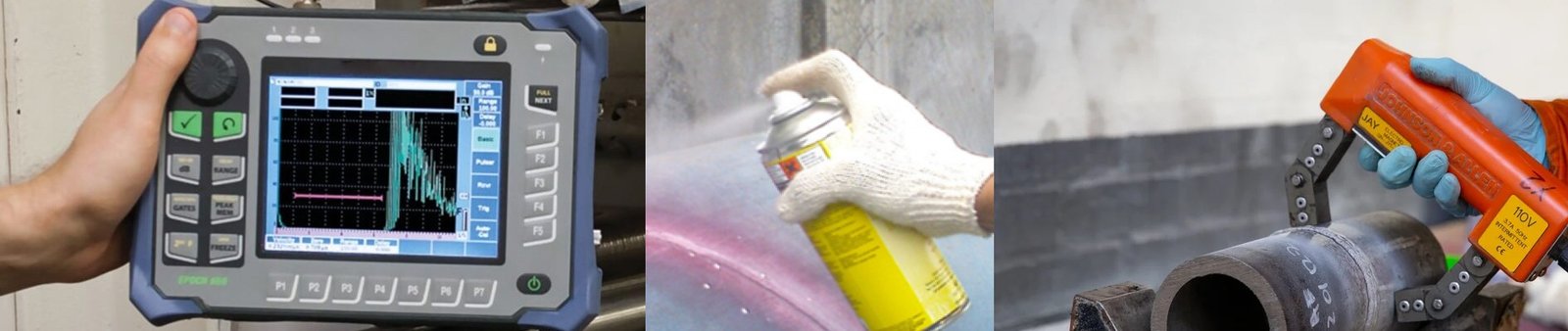
NDT works best when the method is chosen for the expected discontinuity, material, geometry, access, and surface condition. A method that is excellent for one weld may be unsuitable for another.

Planning the scope around the project: UT Thickness Measurement Services

First, we review the available drawings, purchase documents, procedures, sample details, and previous records. The team then confirms the applicable requirement, the area or item to be covered, and the acceptance basis. We list missing information before work begins.

Next, project conditions matter. Access, permits, production status, safe isolation, sample preparation, witness notice, and turnaround time can affect the plan. Agreeing these points early keeps the assignment realistic.

Checks carried out by our team

During the assignment, qualified personnel follow the approved method and record the conditions that can influence the result. The exact controls depend on the service, but the aim stays the same: make every observation or measurement traceable to the correct item.

  • scope and objectives
  • applicable requirements
  • available project information
  • schedule and location
  • responsibilities and interfaces
  • deliverables and close-out

For example, typical risks include unclear scope, missing information, late decisions. We also manage these risks through identification checks, suitable equipment, clear hold points, and timely communication with the client.

Most importantly, the work follows client procedures, recognized industry practices, project specifications, and agreed deliverables. If the contract uses a different requirement, the approved project document takes priority. We document coverage and acceptance against the stated procedure and code.

Before you book the work

Which NDT method should be requested?

Share the component, material, thickness, weld geometry, access, code, and suspected condition. We can then confirm whether VT, PT, MT, UT, PAUT, TOFD, or another method fits the scope.

For this reason, providing this information at the enquiry stage helps us quote the correct work. It also reduces last-minute changes once we have reserved personnel, equipment, or laboratory time.

From observation to action

Finally, the report identifies the item, its origin, the method, and the finding. Depending on the scope, the supporting record may include scope notes, action registers, technical records, review comments, and completion summaries. We state any limitation or deviation plainly.

However, if a result does not meet the requirement, we identify the affected item and communicate the finding. The client can then decide whether to repair, replace, investigate, or request further verification. We record the agreed close-out action when it forms part of our scope.

Support for projects in Guyana

In Guyana, Kheeran Offshore supports oil and gas, offshore and marine, energy, fabrication, manufacturing, construction, and infrastructure work. Assignments may take place at vendor facilities, fabrication yards, operating sites, offshore assets, or our Georgetown laboratory, depending on the service.

Depending on the need, the scope can cover a single urgent item or a planned inspection and testing programme. In both cases, the client receives one local point of contact and a report written for practical project use.

Request UT Thickness Measurement Services in Guyana

Contact Kheeran Offshore to discuss UT Thickness Measurement Services in Guyana. Call or WhatsApp +592-602-5664, email admin@kheeran.gy, or use our contact page. Please include the item, location, applicable requirement, schedule, and expected deliverable. We will review the details and prepare a clear quotation.

by Kheeran Offshore Technical Team Kheeran Offshore Technical Team

Planning an Anchor Pull-Out Test Setup

Planning an Anchor Pull-Out Test Setup focuses on one defined technical question. The reaction frame, load direction, edge distance, fixture alignment and anchor details must be reviewed so the arrangement measures the intended behaviour.

Pull testing should begin with an agreed load, hold time, reaction arrangement and acceptance rule. The report must distinguish a proof test from a test to failure and identify the exact anchor or location tested.

Good Pull-Out Testing Services in Guyana begins with the details that are easy to overlook: identification, condition, location, governing document, and acceptance limit. Our Georgetown team reviews those points before confirming the work.

The assignment is planned around the actual component and its service. This avoids a common problem: performing a technically correct activity that does not answer the client’s real question.

A field load test needs a stable reaction, aligned loading, verified equipment, controlled increments, and a clear acceptance limit. The setup is part of the result, not just a way to reach the target force.

The checks that protect the result: Pull-Out Testing Services

First, we review the available drawings, purchase documents, procedures, sample details, and previous records. The team then confirms the applicable requirement, the area or item to be covered, and the acceptance basis. We list missing information before work begins.

Next, project conditions matter. Access, permits, production status, safe isolation, sample preparation, witness notice, and turnaround time can affect the plan. Agreeing these points early keeps the assignment realistic.

Working to the agreed requirement

During the assignment, qualified personnel follow the approved method and record the conditions that can influence the result. The exact controls depend on the service, but the aim stays the same: make every observation or measurement traceable to the correct item.

  • sample identity and chain of custody
  • applicable test method
  • specimen dimensions and orientation
  • machine verification
  • test temperature and loading
  • results, calculations, and report review

For example, typical risks include sample mix-ups, incorrect specimen preparation, wrong test conditions. We also manage these risks through identification checks, suitable equipment, clear hold points, and timely communication with the client.

Most importantly, the work follows the specified ASTM, ASME, ISO, API, AWS, or client test method. If the contract uses a different requirement, the approved project document takes priority. The engineer, approved test plan, manufacturer, or project specification defines the test load and acceptance.

What should be confirmed first

What is needed to quote a pull or proof-load test?

Send the fixing type, location, substrate, target load, hold time, access details, quantity, drawing, and acceptance requirement. Site photographs help us plan the reaction arrangement.

For this reason, providing this information at the enquiry stage helps us quote the correct work. It also reduces last-minute changes once we have reserved personnel, equipment, or laboratory time.

Reports people can use

Finally, the report identifies the item, its origin, the method, and the finding. Depending on the scope, the supporting record may include sample identification, preparation details, equipment references, raw results, calculations, and a signed report. We state any limitation or deviation plainly.

However, if a result does not meet the requirement, we identify the affected item and communicate the finding. The client can then decide whether to repair, replace, investigate, or request further verification. We record the agreed close-out action when it forms part of our scope.

Support for projects in Guyana

In Guyana, Kheeran Offshore supports oil and gas, offshore and marine, energy, fabrication, manufacturing, construction, and infrastructure work. Assignments may take place at vendor facilities, fabrication yards, operating sites, offshore assets, or our Georgetown laboratory, depending on the service.

Depending on the need, the scope can cover a single urgent item or a planned inspection and testing programme. In both cases, the client receives one local point of contact and a report written for practical project use.

Request Pull-Out Testing Services in Guyana

Contact Kheeran Offshore to discuss Pull-Out Testing Services in Guyana. Call or WhatsApp +592-602-5664, email admin@kheeran.gy, or use our contact page. Please include the item, location, applicable requirement, schedule, and expected deliverable. We will review the details and prepare a clear quotation.

by Kheeran Offshore Technical Team Kheeran Offshore Technical Team

HDPE Burst Testing in Guyana

A certificate alone does not solve a technical problem. With HDPE Burst Testing in Guyana, the result must be traceable to the right item and interpreted against the right requirement. That is the standard our team applies from the first review.

The work may involve one sample, one inspection visit, or a planned series of activities. In every case, we keep identification and reporting connected from the start. A project team should be able to follow the record without guessing what was examined.

HDPE results depend on sample history as much as the machine reading. Pipe grade, diameter, SDR, fusion record, conditioning, test temperature, and failure mode all belong in the review.

Before the inspector or sample arrives: HDPE Burst Testing

First, we review the available drawings, purchase documents, procedures, sample details, and previous records. The team then confirms the applicable requirement, the area or item to be covered, and the acceptance basis. We list missing information before work begins.

Next, project conditions matter. Access, permits, production status, safe isolation, sample preparation, witness notice, and turnaround time can affect the plan. Agreeing these points early keeps the assignment realistic.

How the work is controlled

During the assignment, qualified personnel follow the approved method and record the conditions that can influence the result. The exact controls depend on the service, but the aim stays the same: make every observation or measurement traceable to the correct item.

  • material and sample identification
  • fusion bead and joint condition
  • specimen preparation
  • conditioning and temperature
  • pressure or destructive test setup
  • failure mode and result reporting

For example, typical risks include poor fusion preparation, incorrect heating or pressure, sample damage. We also manage these risks through identification checks, suitable equipment, clear hold points, and timely communication with the client.

Most importantly, the work follows the specified ASTM, ISO, project, manufacturer, or client test requirement. If the contract uses a different requirement, the approved project document takes priority. The applicable ASTM, ISO, manufacturer, or project document defines preparation and acceptance.

What clients often ask us

What should be supplied with an HDPE fusion sample?

Provide the pipe markings, material certificates, joint number, fusion data, machine details, operator information, sample orientation, and required test standard. Keep the joint protected during transport.

For this reason, providing this information at the enquiry stage helps us quote the correct work. It also reduces last-minute changes once we have reserved personnel, equipment, or laboratory time.

What the final record should show

Finally, the report identifies the item, its origin, the method, and the finding. Depending on the scope, the supporting record may include sample traceability, dimensions, test conditions, pressure or load data, observations, and results. We state any limitation or deviation plainly.

However, if a result does not meet the requirement, we identify the affected item and communicate the finding. The client can then decide whether to repair, replace, investigate, or request further verification. We record the agreed close-out action when it forms part of our scope.

Support for projects in Guyana

In Guyana, Kheeran Offshore supports oil and gas, offshore and marine, energy, fabrication, manufacturing, construction, and infrastructure work. Assignments may take place at vendor facilities, fabrication yards, operating sites, offshore assets, or our Georgetown laboratory, depending on the service.

Depending on the need, the scope can cover a single urgent item or a planned inspection and testing programme. In both cases, the client receives one local point of contact and a report written for practical project use.

Request HDPE Burst Testing in Guyana

Contact Kheeran Offshore to discuss HDPE Burst Testing in Guyana. Call or WhatsApp +592-602-5664, email admin@kheeran.gy, or use our contact page. Please include the item, location, applicable requirement, schedule, and expected deliverable. We will review the details and prepare a clear quotation.

by Kheeran Offshore Technical Team Kheeran Offshore Technical Team

Failure Investigation and Root Cause Analysis Services in Guyana

Good Failure Investigation and Root Cause Analysis Services begins with the details that are easy to overlook: identification, condition, location, governing document, and acceptance limit. Our Georgetown team reviews those points before confirming the work.

The assignment is planned around the actual component and its service. This avoids a common problem: performing a technically correct activity that does not answer the client’s real question.

A useful failure investigation starts by protecting evidence. Cleaning, cutting, or repairing the part too early can remove the features needed to explain what happened.

The checks that protect the result: Failure Investigation and Root Cause Analysis Services

First, we review the available drawings, purchase documents, procedures, sample details, and previous records. The team then confirms the applicable requirement, the area or item to be covered, and the acceptance basis. We list missing information before work begins.

Next, project conditions matter. Access, permits, production status, safe isolation, sample preparation, witness notice, and turnaround time can affect the plan. Agreeing these points early keeps the assignment realistic.

Working to the agreed requirement

During the assignment, qualified personnel follow the approved method and record the conditions that can influence the result. The exact controls depend on the service, but the aim stays the same: make every observation or measurement traceable to the correct item.

  • background and service history
  • evidence preservation
  • visual and dimensional examination
  • material and fracture assessment
  • targeted laboratory testing
  • cause evaluation and corrective actions

For example, typical risks include lost evidence, incorrect assumptions, symptom-only repairs. We also manage these risks through identification checks, suitable equipment, clear hold points, and timely communication with the client.

Most importantly, the work follows relevant ASTM examination methods, engineering references, service data, and client requirements. If the contract uses a different requirement, the approved project document takes priority. Conclusions are tied to the evidence examined, the tests completed, and any stated limitations.

What should be confirmed first

What should be sent before a failure-analysis visit?

Provide service history, operating conditions, drawings, material records, maintenance work, photographs, and a timeline. Keep failed pieces and nearby deposits in their original condition where practical.

For this reason, providing this information at the enquiry stage helps us quote the correct work. It also reduces last-minute changes once we have reserved personnel, equipment, or laboratory time.

Reports people can use

Finally, the report identifies the item, its origin, the method, and the finding. Depending on the scope, the supporting record may include photographs, observations, test results, causal analysis, limitations, conclusions, and practical recommendations. We state any limitation or deviation plainly.

However, if a result does not meet the requirement, we identify the affected item and communicate the finding. The client can then decide whether to repair, replace, investigate, or request further verification. We record the agreed close-out action when it forms part of our scope.

Support for projects in Guyana

In Guyana, Kheeran Offshore supports oil and gas, offshore and marine, energy, fabrication, manufacturing, construction, and infrastructure work. Assignments may take place at vendor facilities, fabrication yards, operating sites, offshore assets, or our Georgetown laboratory, depending on the service.

Depending on the need, the scope can cover a single urgent item or a planned inspection and testing programme. In both cases, the client receives one local point of contact and a report written for practical project use.

Request Failure Investigation and Root Cause Analysis Services in Guyana

Contact Kheeran Offshore to discuss Failure Investigation and Root Cause Analysis Services. Call or WhatsApp +592-602-5664, email admin@kheeran.gy, or use our contact page. Please include the item, location, applicable requirement, schedule, and expected deliverable. We will review the details and prepare a clear quotation.

by Kheeran Offshore Technical Team Kheeran Offshore Technical Team

Documenting a Weld Fracture Before Sectioning or Testing

Documenting a Weld Fracture Before Sectioning or Testing focuses on one defined technical question. Photographs, orientation, service history, fracture protection and sample selection should be completed before cutting changes the available evidence.

Failure investigation should preserve evidence before destructive work begins and should consider fabrication, material and service information together. A single observation is rarely enough to establish the root cause.

When a project team asks about Weld Failure Analysis Services in Guyana, our first step is a short technical conversation. What is the item? Which requirement applies? What decision must the result support? Those answers shape the scope far better than a generic checklist.

Our role is independent and practical. We do not add unnecessary steps, and we do not reduce the scope below the code or project requirement. Questions are raised early, while there is still time to answer them.

A useful failure investigation starts by protecting evidence. Cleaning, cutting, or repairing the part too early can remove the features needed to explain what happened.

What matters before work starts: Weld Failure Analysis Services

First, we review the available drawings, purchase documents, procedures, sample details, and previous records. The team then confirms the applicable requirement, the area or item to be covered, and the acceptance basis. We list missing information before work begins.

Next, project conditions matter. Access, permits, production status, safe isolation, sample preparation, witness notice, and turnaround time can affect the plan. Agreeing these points early keeps the assignment realistic.

What happens during the assignment

During the assignment, qualified personnel follow the approved method and record the conditions that can influence the result. The exact controls depend on the service, but the aim stays the same: make every observation or measurement traceable to the correct item.

  • background and service history
  • evidence preservation
  • visual and dimensional examination
  • material and fracture assessment
  • targeted laboratory testing
  • cause evaluation and corrective actions

For example, typical risks include lost evidence, incorrect assumptions, symptom-only repairs. We also manage these risks through identification checks, suitable equipment, clear hold points, and timely communication with the client.

Most importantly, the work follows relevant ASTM examination methods, engineering references, service data, and client requirements. If the contract uses a different requirement, the approved project document takes priority. Conclusions are tied to the evidence examined, the tests completed, and any stated limitations.

A practical question from project teams

What should be sent before a failure-analysis visit?

Provide service history, operating conditions, drawings, material records, maintenance work, photographs, and a timeline. Keep failed pieces and nearby deposits in their original condition where practical.

For this reason, providing this information at the enquiry stage helps us quote the correct work. It also reduces last-minute changes once we have reserved personnel, equipment, or laboratory time.

Reporting without ambiguity

Finally, the report identifies the item, its origin, the method, and the finding. Depending on the scope, the supporting record may include photographs, observations, test results, causal analysis, limitations, conclusions, and practical recommendations. We state any limitation or deviation plainly.

However, if a result does not meet the requirement, we identify the affected item and communicate the finding. The client can then decide whether to repair, replace, investigate, or request further verification. We record the agreed close-out action when it forms part of our scope.

Support for projects in Guyana

In Guyana, Kheeran Offshore supports oil and gas, offshore and marine, energy, fabrication, manufacturing, construction, and infrastructure work. Assignments may take place at vendor facilities, fabrication yards, operating sites, offshore assets, or our Georgetown laboratory, depending on the service.

Depending on the need, the scope can cover a single urgent item or a planned inspection and testing programme. In both cases, the client receives one local point of contact and a report written for practical project use.

Request Weld Failure Analysis Services in Guyana

Contact Kheeran Offshore to discuss Weld Failure Analysis Services in Guyana. Call or WhatsApp +592-602-5664, email admin@kheeran.gy, or use our contact page. Please include the item, location, applicable requirement, schedule, and expected deliverable. We will review the details and prepare a clear quotation.

by Kheeran Offshore Technical Team Kheeran Offshore Technical Team

Failure Analysis Services for Offshore Structures in Guyana

A certificate alone does not solve a technical problem. With Failure Analysis Services for Offshore Structures in Guyana, the result must be traceable to the right item and interpreted against the right requirement. That is the standard our team applies from the first review.

The work may involve one sample, one inspection visit, or a planned series of activities. In every case, we keep identification and reporting connected from the start. A project team should be able to follow the record without guessing what was examined.

A useful failure investigation starts by protecting evidence. Cleaning, cutting, or repairing the part too early can remove the features needed to explain what happened.

Before the inspector or sample arrives: Failure Analysis Services for Offshore Structures

First, we review the available drawings, purchase documents, procedures, sample details, and previous records. The team then confirms the applicable requirement, the area or item to be covered, and the acceptance basis. We list missing information before work begins.

Next, project conditions matter. Access, permits, production status, safe isolation, sample preparation, witness notice, and turnaround time can affect the plan. Agreeing these points early keeps the assignment realistic.

How the work is controlled

During the assignment, qualified personnel follow the approved method and record the conditions that can influence the result. The exact controls depend on the service, but the aim stays the same: make every observation or measurement traceable to the correct item.

  • background and service history
  • evidence preservation
  • visual and dimensional examination
  • material and fracture assessment
  • targeted laboratory testing
  • cause evaluation and corrective actions

For example, typical risks include lost evidence, incorrect assumptions, symptom-only repairs. We also manage these risks through identification checks, suitable equipment, clear hold points, and timely communication with the client.

Most importantly, the work follows relevant ASTM examination methods, engineering references, service data, and client requirements. If the contract uses a different requirement, the approved project document takes priority. Conclusions are tied to the evidence examined, the tests completed, and any stated limitations.

What clients often ask us

What should be sent before a failure-analysis visit?

Provide service history, operating conditions, drawings, material records, maintenance work, photographs, and a timeline. Keep failed pieces and nearby deposits in their original condition where practical.

For this reason, providing this information at the enquiry stage helps us quote the correct work. It also reduces last-minute changes once we have reserved personnel, equipment, or laboratory time.

What the final record should show

Finally, the report identifies the item, its origin, the method, and the finding. Depending on the scope, the supporting record may include photographs, observations, test results, causal analysis, limitations, conclusions, and practical recommendations. We state any limitation or deviation plainly.

However, if a result does not meet the requirement, we identify the affected item and communicate the finding. The client can then decide whether to repair, replace, investigate, or request further verification. We record the agreed close-out action when it forms part of our scope.

Support for projects in Guyana

In Guyana, Kheeran Offshore supports oil and gas, offshore and marine, energy, fabrication, manufacturing, construction, and infrastructure work. Assignments may take place at vendor facilities, fabrication yards, operating sites, offshore assets, or our Georgetown laboratory, depending on the service.

Depending on the need, the scope can cover a single urgent item or a planned inspection and testing programme. In both cases, the client receives one local point of contact and a report written for practical project use.

Request Failure Analysis Services for Offshore Structures in Guyana

Contact Kheeran Offshore to discuss Failure Analysis Services for Offshore Structures in Guyana. Call or WhatsApp +592-602-5664, email admin@kheeran.gy, or use our contact page. Please include the item, location, applicable requirement, schedule, and expected deliverable. We will review the details and prepare a clear quotation.